
In Dallas, moisture and termites go hand in hand. Many property owners discover the link only after costly damage occurs, but staying ahead of the problem is possible with the right knowledge and strategies. At All-Safe Pest & Termite, we have worked with Dallas-area residents and businesses for decades, helping them prevent termite infestations by addressing the one thing these pests cannot live without—moisture. Our experience has shown that a dry property is your best protection, and understanding exactly how moisture and termites are connected is essential for long-term peace of mind.
Why Is Moisture a Magnet for Termites in Dallas Homes?
Termites rely on moisture to survive, build colonies, and consume wood. In Dallas, our region’s combination of clay soil, unpredictable rainfall, and occasional flooding creates conditions where unwanted water is common. Even minor leaks, high humidity, or persistent dampness around your home or business can make structures highly vulnerable to termite activity. Termites seek out sources of moisture in soil or wood, so any area where water collects—such as around foundations, under porches, or inside crawlspaces—quickly becomes a target.
Moisture doesn’t just attract termites; it actually enables them to tunnel and multiply. Foundation vents blocked by landscaping, damaged gutters, or improper grading often allow water to linger. These subtle issues, often overlooked, can increase termite risk dramatically. Properties with slab or pier-and-beam foundations, which are common in North Texas, see particular challenges since standing water or damp soil beneath the home creates an inviting environment for subterranean termites.
Dallas residents also deal with HVAC condensation, overwatering of lawns, and frequent use of mulch—all of which can add persistent moisture close to structures. Because these moisture problems are often hidden or gradual, working with professionals who understand the local climate is a smart strategy for comprehensive property protection.
How Does Excess Moisture Encourage Termite Infestations?
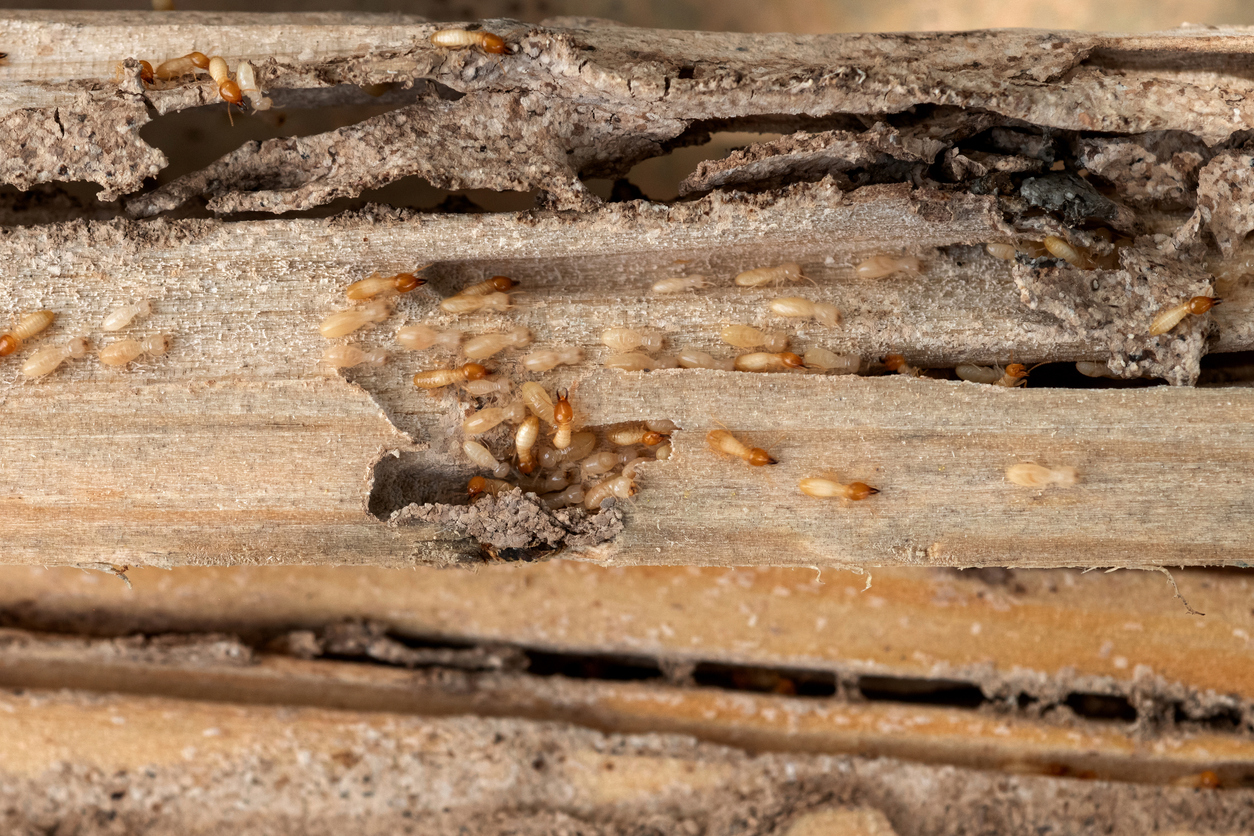
Termite colonies thrive in moist conditions because water makes it easier for these pests to digest cellulose and spread throughout a property. In wet environments, wood softens, allowing termites to invade and consume it with less resistance. Subterranean termites, which account for most infestations in Dallas, build extensive tunnels in wet or damp soil and then move upward to access food sources inside buildings.
Excess moisture inside or around a home supports termite metabolism and survival. When humidity levels remain elevated, or when leaks persist, the risk of infestation increases significantly. According to research from Texas A&M AgriLife Extension, termites are much less likely to thrive in areas with dry soil or wood. Microclimates inside attics, basements, and behind walls—places where condensation, leaks, or poor ventilation create excess moisture—can provide a nearly undetectable invitation for termites to enter.
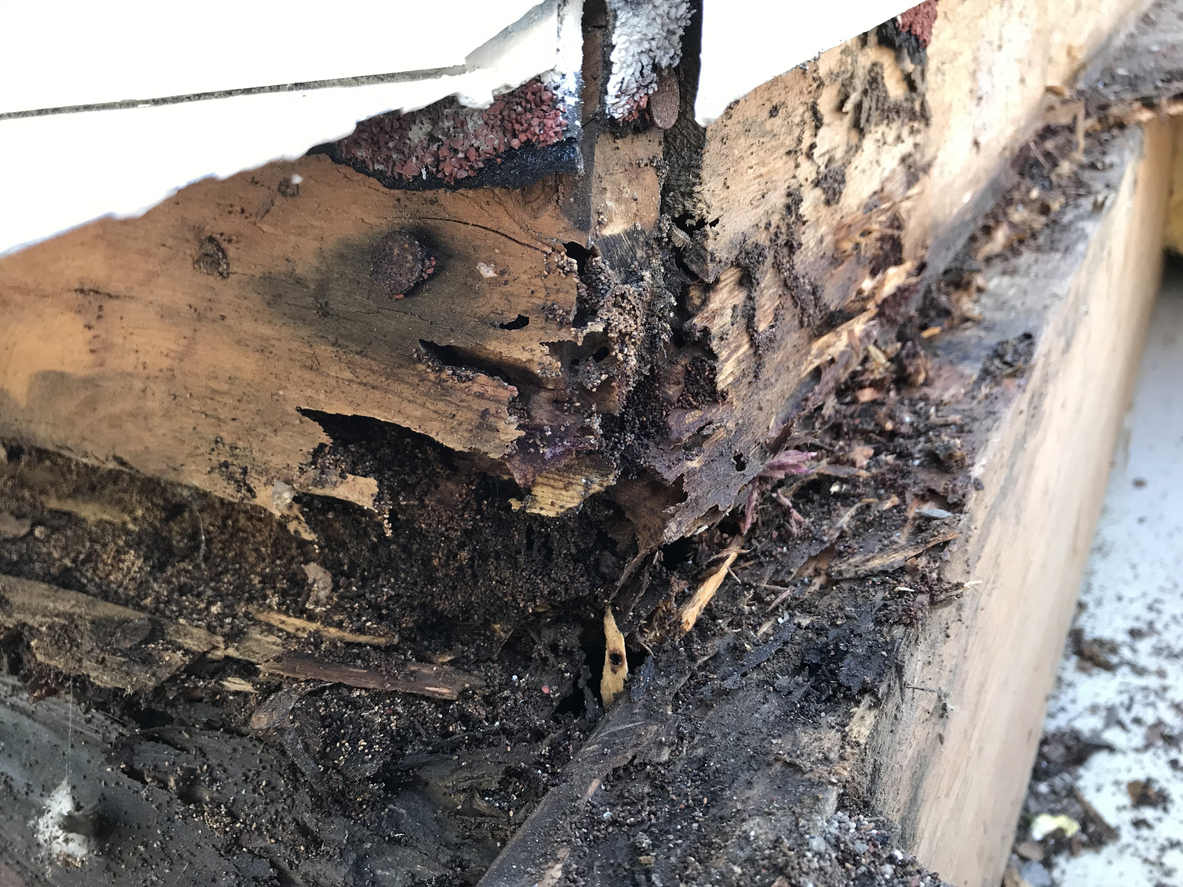
This relationship between moisture and termites doesn’t just put wood at risk. Water can also lead to cracks, shifting foundations, and decaying building materials, all of which create additional openings for termites to exploit. Reducing excess moisture is one of the most effective ways to deter termites and prevent expensive structural problems before they begin.
What Are the Most Common Sources of Moisture That Attract Termites?
Home and business owners often overlook some of the most frequent sources of excess moisture that lead to termite infestations in Dallas. While severe problems like burst pipes are obvious, slow or minor leaks tend to go unnoticed for weeks or months—giving termites a foothold while damage accumulates. Plumbing leaks beneath sinks, behind appliances, or inside wall cavities remain one of the most common hidden causes. Even seemingly minor drips or faulty seals around tubs and toilets can keep subflooring and wood framing continually damp.
Outdoor water management issues also contribute heavily to termite risk. Clogged or poorly directed gutters, disconnected downspouts, and irrigation systems that spray too close to the foundation cause water to collect near your home. Many properties in North Texas suffer from poor grading, which lets rainfall flow toward, rather than away from, the foundation. Persistent puddles or soft, muddy spots near exterior walls signal clear risk areas for both termites and structural damage.
The list of overlooked moisture sources continues indoors, too. HVAC condensate lines that drain poorly or leak, excess mulch or stacked wood against the siding, and crawlspaces lacking proper ventilation all create prime termite habitats. Even heavy daily activities—such as frequent cooking, showering, or running humidifiers without ventilation—can keep relative humidity levels high enough to support infestations. Laser-focused efforts to control these sources make all the difference for termite prevention.
How Can You Tell If Hidden Moisture Is Making Your Home Vulnerable to Termites?
Recognizing the subtle signs of hidden moisture can help homeowners and property managers stay ahead of termite problems. Stains or bubbling paint on walls, ceilings, or baseboards can indicate active leaks or chronic dampness. Unpleasant, musty odors are another red flag, especially in basements, crawlspaces, or closets. Warped flooring, sagging drywall, or soft spots in wood are common results of accumulated moisture that also attract destructive termite activity.
Conducting a thorough visual check is a critical first step. Inspect basements, attics, and crawlspaces for obvious water damage, but also look for minor clues such as discolored wood, rust on metal fixtures, or white efflorescence on bricks and concrete. Using a handheld moisture meter, you can test wood or drywall for elevated moisture levels—anything above 20% should trigger immediate concern. Remember to inspect around all plumbing, behind toilets and showers, and under appliances such as dishwashers or washing machines.
Termites often leave physical evidence when moisture is present. Look for mud tubes running up foundation walls or along beams, piles of discarded wings (from termite swarms), or small pellets resembling sawdust (termite droppings). If you encounter unexplained insect activity alongside any of these moisture signs, it’s time to take fast action and consider a professional assessment to minimize the risk of an unseen infestation.
What Types of Termites Thrive in Moist Dallas Environments?
Several termite species can infest North Texas properties, but subterranean termites are by far the most problematic in moist environments. These pests live in underground colonies and use moist, soft soil to build mud tubes that access wood sources inside homes and commercial structures. Their colonies can number in the hundreds of thousands, and they often go undetected until significant damage occurs.
Drywood termites, while less common, can also find a home in Dallas if indoor humidity is consistently high or if there’s untreated wood exposed to moisture. Unlike subterranean termites, these do not require contact with the soil, but the presence of excess indoor moisture makes infestation more likely. Homes or buildings with poorly maintained attics, leaky roofs, or high humidity from constant appliance use are particularly susceptible to this type of termite.
Formosan termites, a growing concern in certain Texas urban environments, thrive where water is plentiful—such as in city landscaping or poorly drained commercial sites. Capable of forming aggressive colonies, Formosan termites can chew through wood, insulation, and even some thin plastics when moist conditions support their rapid growth. Property owners in Dallas benefit from a termite prevention plan that targets each of these species by managing moisture at every level.
What Are the Structural and Health Risks of Moisture-Driven Termite Infestations?
Moisture-driven termite infestations often remain hidden for months or even years, allowing damage to accumulate unnoticed. Termites consume the cellulose in wood, which can weaken beams, floor joists, and other critical supports beneath floors and behind walls. As these main structural components deteriorate, homes and businesses may experience sagging floors, cracks in walls, or sticking windows and doors—all signs of compromised integrity. Repairing this type of damage can be extremely costly, often running into thousands of dollars depending on the extent of the infestation and moisture intrusion.
Compromised wood and insulation also create problems with energy efficiency. As termites destroy structural elements, cold or warm air from outside can more easily enter, making heating or cooling your property more difficult and expensive. Additionally, wet, decaying materials from termite damage encourage mold growth, which can contribute to unpleasant odors and respiratory issues. Mold and mildew thrive in the same moist environments that attract termites, and together, they can create ongoing discomfort and health concerns for occupants.
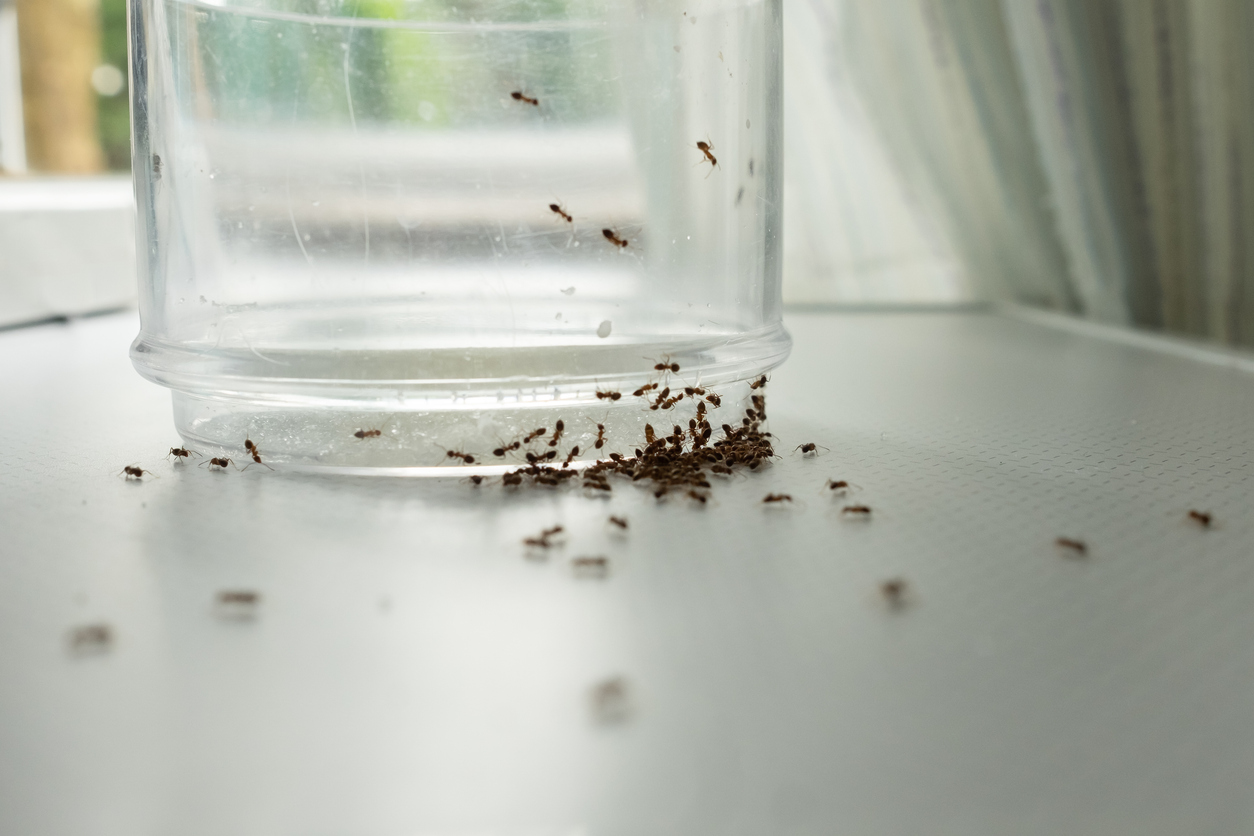
Unchecked moisture and termite activity can also invite secondary pests such as ants, rodents, and cockroaches. These new invaders bring their own health and structural risks, compounding the original problem. By addressing excess moisture and eliminating termite attractants, you not only protect your property’s structural integrity but also maintain a healthy, safe environment for everyone who lives or works there.
What Are Effective DIY Moisture Management Strategies to Deter Termites?
For those wanting to stay proactive, several do-it-yourself measures can greatly reduce the risk of moisture and termites. The first step is to fix leaks and eliminate sources of standing water both inside and around your property. Check all plumbing fixtures, hoses, and water connections for drips or seepage. Insulate exposed pipes to prevent condensation, especially in crawlspaces or attics where water can be trapped for long periods. Monitor your water bill for unexpected increases, which may reveal hidden leaks behind walls or under floors.
Landscaping and exterior maintenance are just as important as indoor repairs. Consider the following actions to improve outdoor moisture management:
- Keep gutters clean and make sure downspouts direct water at least five feet away from foundations.
- Grade soil so it slopes away from the building, preventing rainwater from pooling.
- Move mulch, stacked firewood, or dense plants away from exterior walls to prevent trapped moisture.
- Check that outdoor spigots, irrigation heads, and sprinkler lines are in good repair and positioned away from siding.
Indoors, maintain humidity levels between 30% and 50%. Use dehumidifiers when necessary, especially during muggy months, and ventilate crawlspaces to promote air flow. For added assurance, schedule routine inspections with a reputable pest management provider to catch small issues before they grow. The combination of consistent monitoring, minor repairs, and responsible landscaping significantly lowers termite risk for Dallas properties.
How Do Professional Pest Control Companies Address Moisture & Termite Prevention?
Professional pest control companies bring specialized skills and advanced tools to managing moisture and termites—two problems that often go hand in hand. At All-Safe Pest & Termite, our team starts with a detailed inspection using moisture meters, infrared imaging, and hands-on assessment of vulnerable areas. We know what to look for, from damp insulation and hidden leaks to subtle signs of termite tunnels that often elude untrained eyes.
Our customized approach means addressing both immediate concerns and long-term protection. We’ll identify leaks or drainage issues and recommend safe solutions that fit the property and your household’s needs. Our treatment options include low-toxicity and eco-friendly products to protect your family, pets, and landscaping, while still providing powerful defense against termites. Prevention is not just about eradicating existing colonies, but about keeping future infestations at bay by targeting the underlying environmental triggers—chief among them, excess moisture.
Regular monitoring and follow-up visits are part of how our team supports ongoing protection. We prioritize clear communication and rapid response to new concerns, helping you maintain a termite-resistant property year-round. Our service model is grounded in the values of reliability and community-focus that Dallas residents expect from a locally owned, award-winning business.
When Should You Call a Professional for Moisture or Termite Issues?
Certain warning signs signal that professional intervention is the safest and most effective option. If you discover large areas of dampness, repeated water damage, or visible signs of termite activity like mud tubes or discarded wings, reach out for a thorough inspection. Foundation cracks, warped or buckling flooring, and persistent musty odors may indicate that hidden moisture and termites have already created significant problems. In these situations, experienced pest management professionals can uncover the root cause and recommend steps tailored to your property.
Chronic humidity—whether from HVAC problems, basement flooding, or roof leaks—often requires specialized equipment and knowledge to address fully. Don’t overlook sudden increases in utility bills or unexplained pest sightings, either. These subtle signs can point to moisture problems and early termite activity, which can be resolved more effectively with early, professional attention. Especially during Texas’ swarming season, quick action makes the difference between minor repairs and costly remediation.
Our team at All-Safe Pest & Termite provides fast, responsive service because we understand that waiting isn’t an option when it comes to protecting your property. With decades of local experience, a customer-centered approach, and a 100% service guarantee for recurring pests, you can trust us to deliver support aligned with Dallas’ unique needs.
How All-Safe Pest & Termite Delivers Reliable Moisture & Termite Defense in Dallas
At All-Safe Pest & Termite, we are proud to be a locally owned and family-operated business serving the Dallas area since 1984. Our team brings decades of experience, practical knowledge, and a focus on prevention—not just treatment. We are recognized for our personalized solutions, eco-friendly options, and readiness to schedule same-day or next-day visits for urgent concerns. With an A+ Better Business Bureau rating and strong community reputation, we provide every customer the peace of mind that comes from thorough, effective, and responsive service.
Our approach combines the latest technology—including precise moisture detection, advanced inspection tools, and trusted treatment methods—with a deep understanding of North Texas conditions. Every property and family is unique, so we tailor our service to your specific risks and priorities. We prioritize safety by using low-toxicity and environmentally safe products that protect your loved ones and the surrounding environment, without compromising on termite control.
Choosing All-Safe Pest & Termite means partnering with a team invested in your long-term satisfaction. We’re committed to keeping homes and businesses dry, healthy, and protected from moisture and termites. If you want proactive support and trustworthy advice, call us at (972) 945-9226 and let’s build a customized plan to keep your Dallas property termite-free.