ANTS
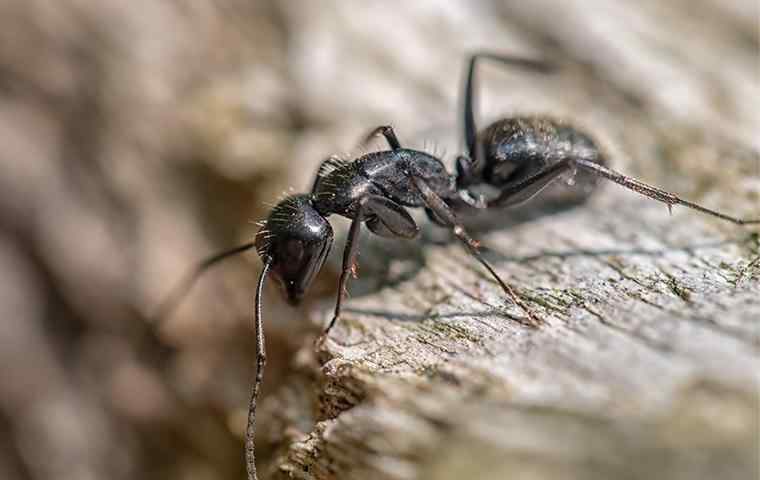
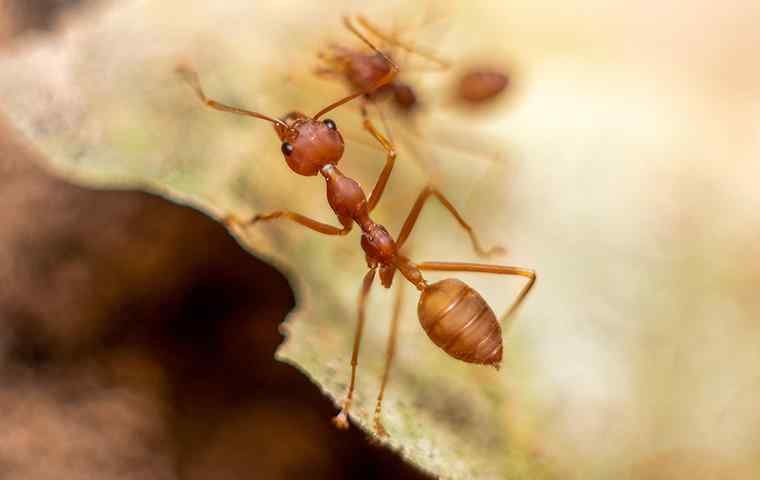
Texas has more kinds of ant than most homeowners want to know about, and the trick is that they need different treatments. The mound in the lawn that stings when you step on it is fire ants; one mound is a bait job you can do yourself, a dozen along the foundation is ours. The big black ones on the porch at dusk are carpenter ants, and they mean damp wood somewhere in the house. The tiny trails on the kitchen counter that smell like rotten coconut when crushed are odorous house ants; the ones with the heart-shaped rear end that they raise when disturbed are acrobat ants. The very small yellow ones in a hospital, a bakery or an apartment kitchen that get worse when sprayed are pharaoh ants, and spraying them is the mistake. Around pools and on patios in a dry August you'll see rover ants, and in the Houston area a moving carpet of small reddish ants that short out air conditioners is crazy ants. If you're not sure, our ants page sorts them.
COCKROACHES
Size and location tell you which roach you have. The big reddish-brown one in the shower drain or the garage after a summer rain is the American cockroach, up from the sewer line, and it does not breed in your kitchen. The big dark one that flies at the porch light and drops out of the attic in Houston, Spring and the piney parts of the metroplex is the smokey brown cockroach, the tree roach. The small tan one with two dark stripes behind the head, breeding behind the refrigerator or under the sink, is the one that matters: the German cockroach, which came in on something and needs a baiting program rather than a spray. Our cockroaches page has the size chart, and the service that handles all of them is cockroach control.
SPIDERS
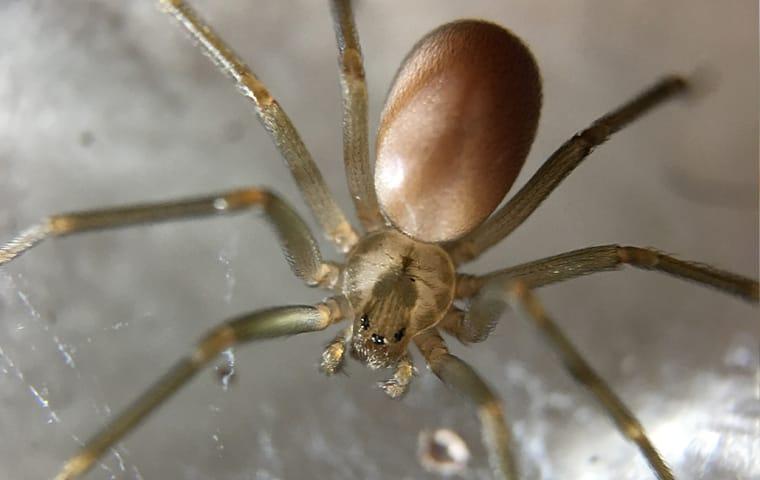
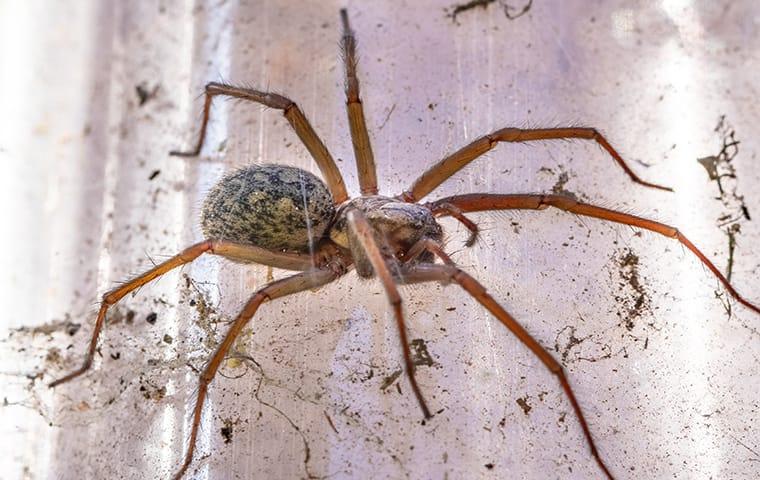
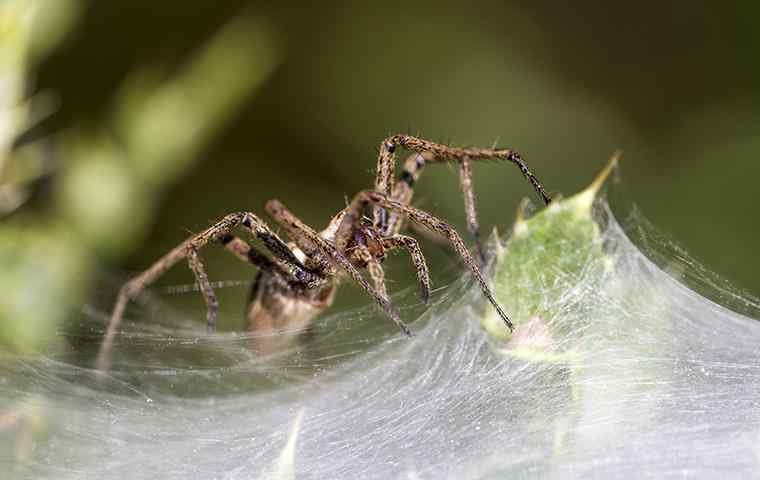
Two spiders in Texas can hurt you and the rest are a nuisance. The black widow lives in meter boxes, under patio furniture and behind the garage door track, and you'll know it by the messy low web and the shiny black body with the red hourglass underneath. The brown recluse lives in garages, closets and stored boxes, bites only when pressed against skin, and is identified by a violin mark, plain unstriped legs and six eyes; our guide to brown recluse spiders in Texas covers the look-alikes and a glue-board test you can run tonight. The big hairy striped one that runs across the floor in October is a wolf spider, and it gets blamed for the recluse far more than it deserves. Our spiders page sorts the rest, and spider control is the service.
STINGING INSECTS
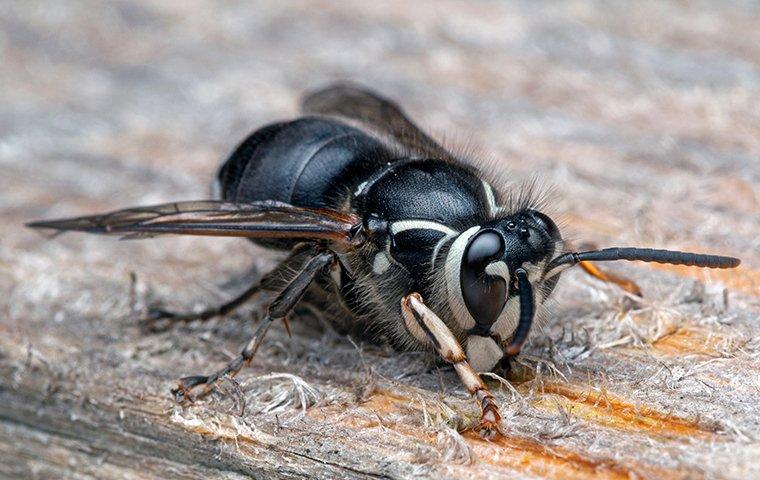
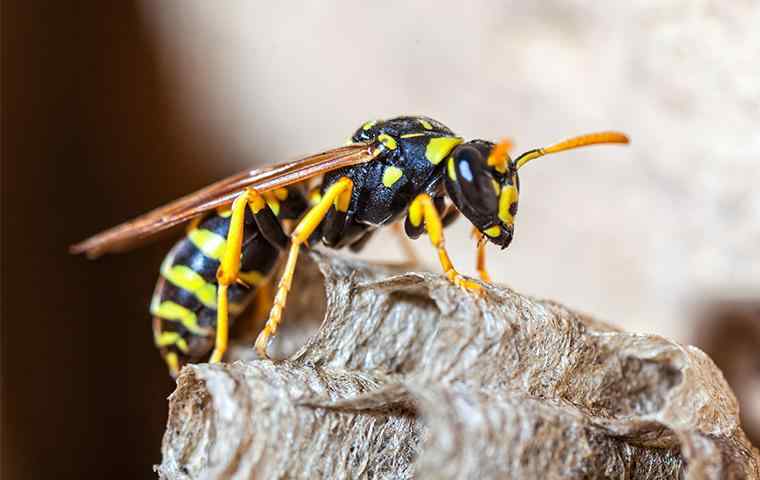
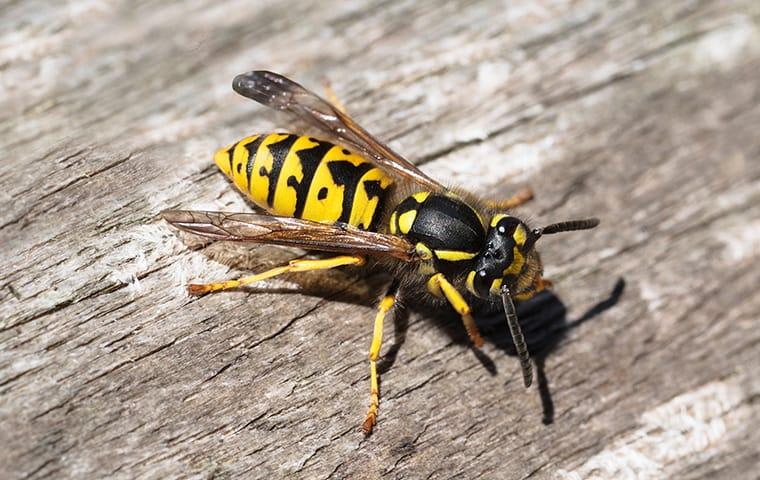
The open comb of cells under an eave or a grill lid with a few slim brown wasps on it is paper wasps, easy to knock down early in spring and worth leaving to us by September. Wasps streaming in and out of a single hole in the ground with no mound are yellow jackets, the most dangerous thing on this list because you find the nest with the mower. The gray paper football in a live oak is a bald-faced hornet nest, and the two-inch wasp digging finger-width holes in a sandy lawn every July is a cicada killer, which looks like a hornet and is nearly harmless; our guide to hornets in Texas sorts the three insects Texans call hornets. Our stinging insects page covers the rest, and stinging insect control is the service, including nest removal at dusk.
TERMITES, RODENTS, and THE BITERS
A pencil-width line of dried mud running up the foundation, a pier or an interior wall is a termite shelter tube, and it means subterranean termites are working right now. Shed wings on a windowsill in spring are the sign most people actually see; in North Texas the swarms come in daytime from late February into May, and around Houston the Formosan termite adds a dusk swarm in May and June. Our termites page covers the difference between a swarm from a stump and a swarm from your house, and termite control starts with an inspection rather than a price.
Scratching in the ceiling right after dark that stops by the time you reach the attic ladder is a roof rat, which comes in at the roofline, not the floor. Rice-sized droppings in the garage or a chewed pantry box is more likely mice, which come in through brick weep holes. The answer to both is exclusion first, then removal, and never one without the other; our rodent control page explains why.
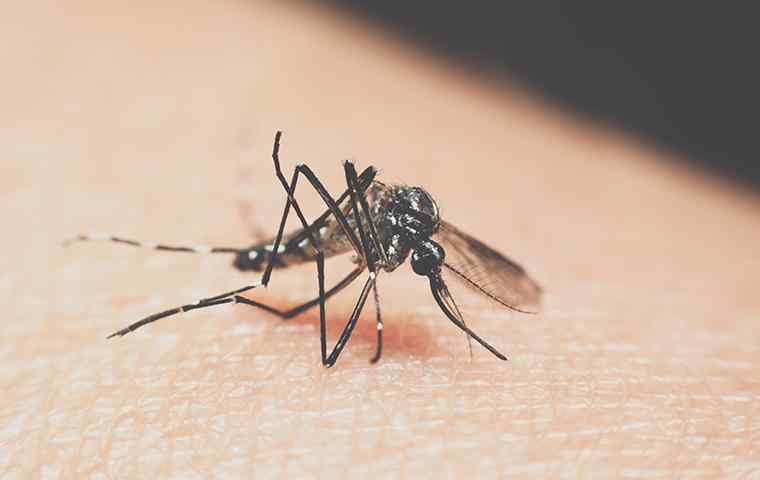
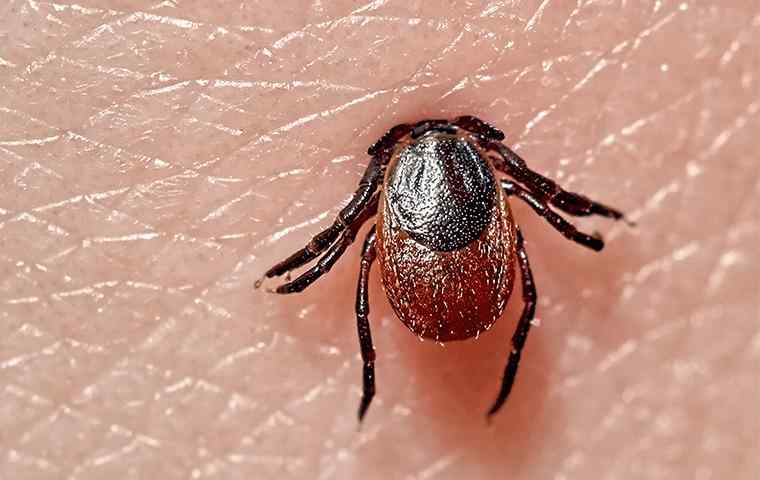
Bites around the ankles indoors that keep coming even when the dog is outside are fleas. A flat brown bug attached behind a dog's ear after a walk on a creek trail is a tick, heaviest in May and June. The biter that finds you at a cookout in the afternoon is the Asian tiger mosquito, breeding within a hundred yards of you, and the one at dusk is the West Nile carrier; our mosquitoes page covers both, and mosquito control is the yard treatment that deals with the resting adults the county truck never touches.
Once You Know What It Is
If the pest you found is eating the house, breeding indoors, or stinging somewhere people and pets go, the next step is a free estimate visit. The Dallas pest control page, the Fort Worth pest control page, the McKinney pest control page and the Houston pest control page each show the pests we see there, the season they turn up, and the neighborhoods our routes cover; the Where We Service menu lists every other city. For a house, our home pest control plans cover the general pests with the interior under warranty, and for a restaurant, warehouse or office, commercial pest control starts with a walkthrough and a written plan.


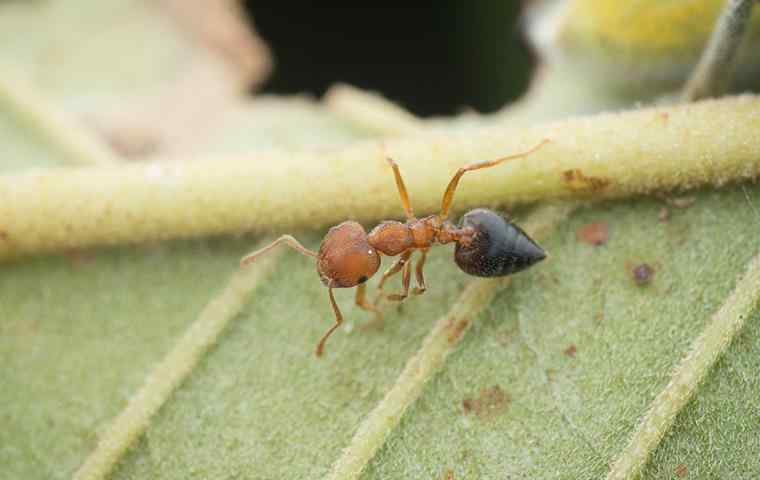 Acrobat Ants
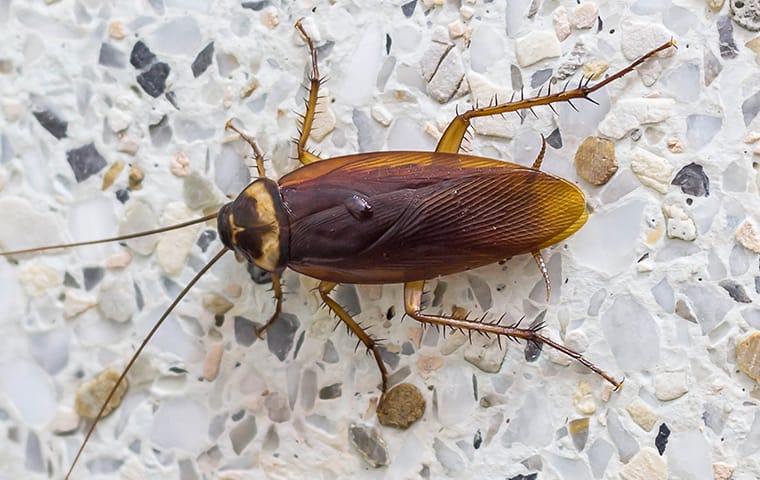 American Cockroaches
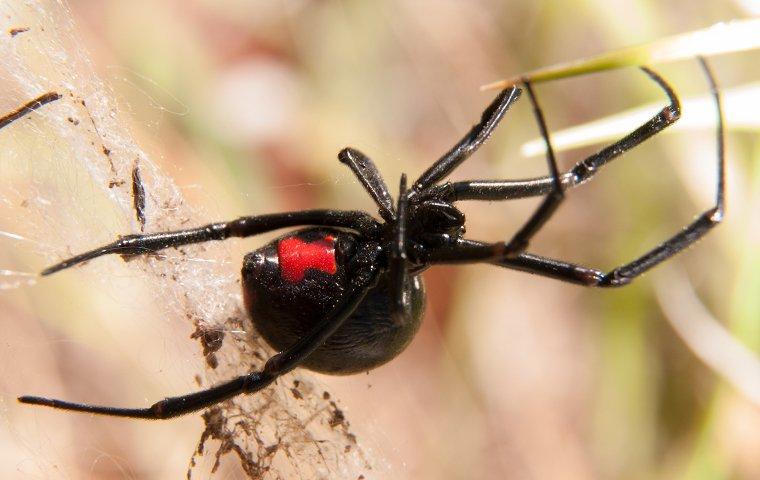 Black Widow Spiders
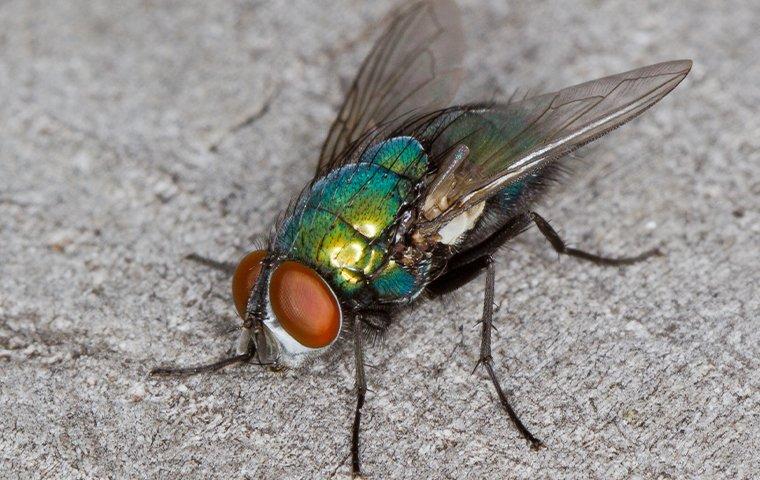 Blow Flies
 Brown Recluse Spiders
 Carpenter Ants
 Carpenter Bees
 Carpet Beetles
 Centipedes
 Chiggers
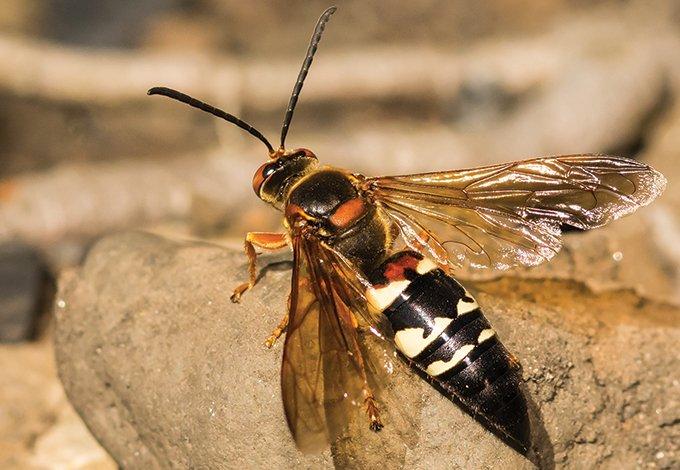 Cicada Killers
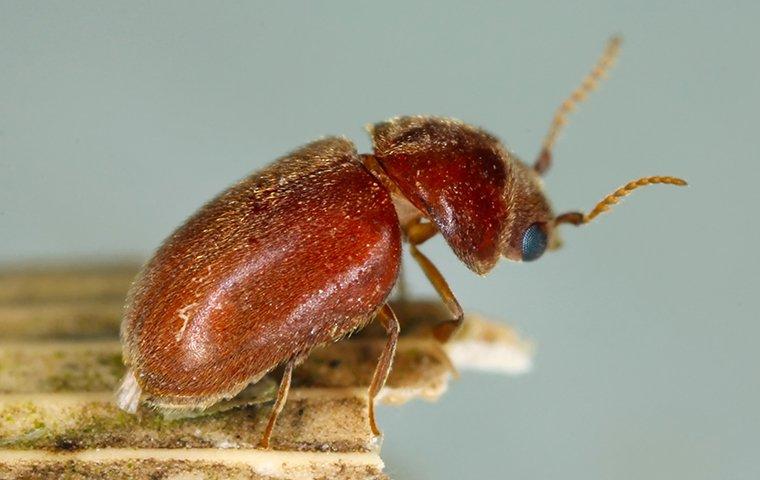 Cigarette Beetles
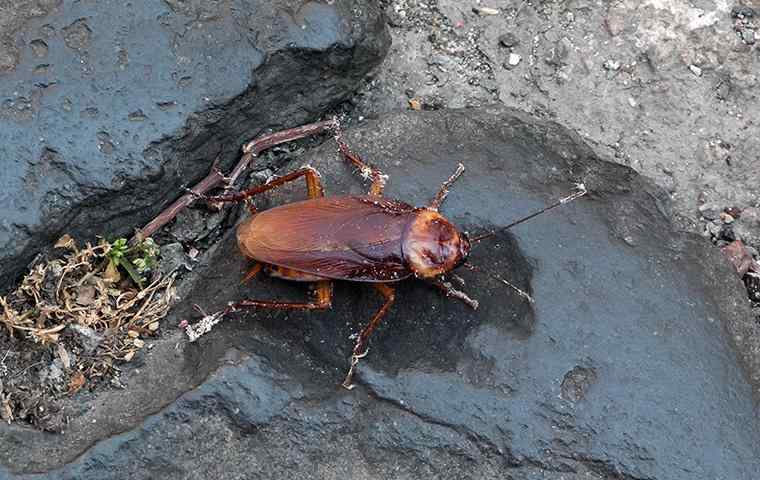 Cockroaches
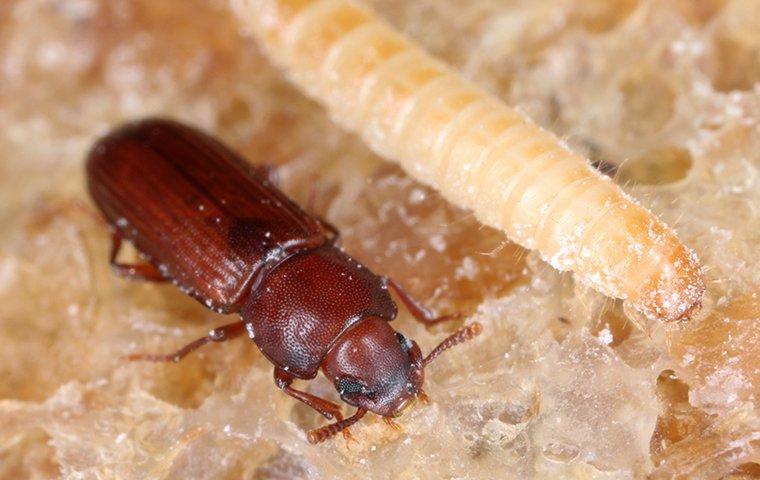 Confused Flour Beetles
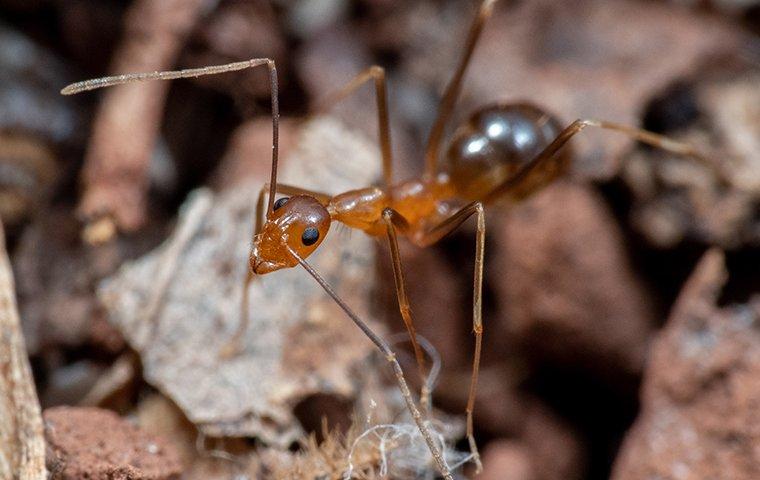 Crazy Ants
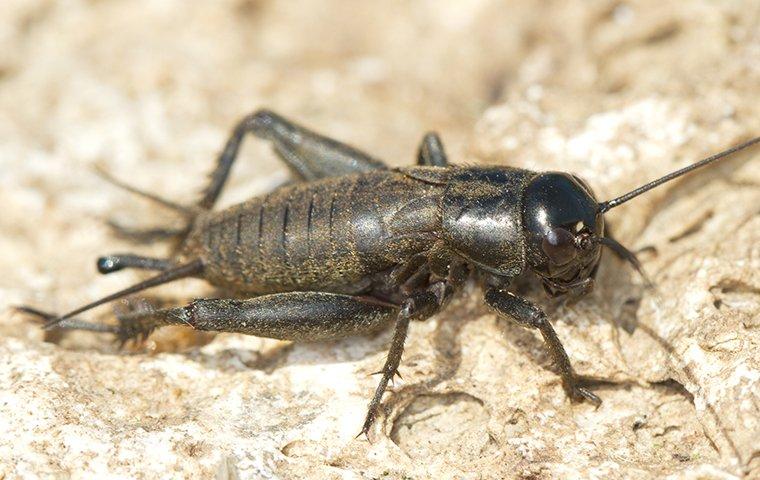 Crickets
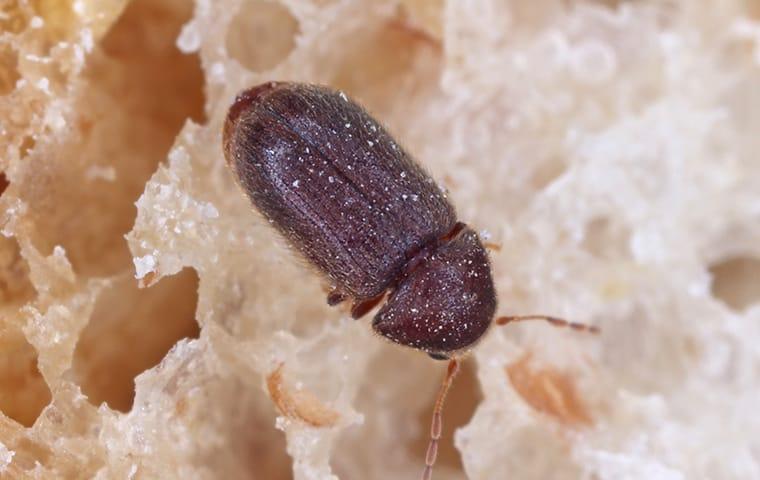 Drug Store Beetles
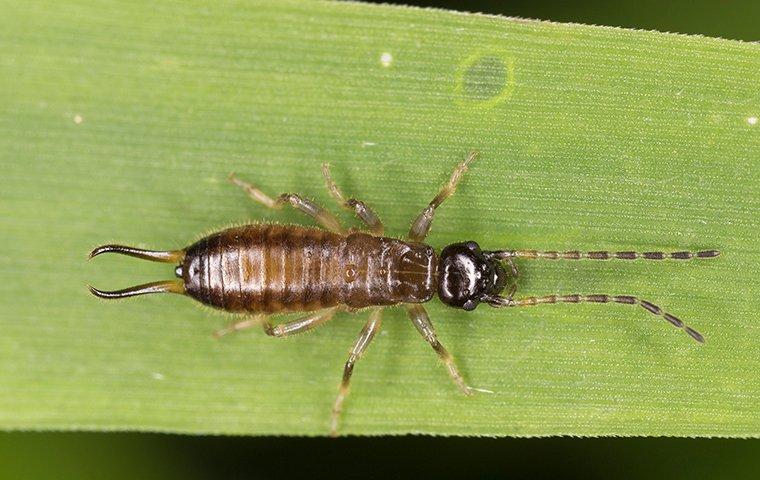 Earwigs
 Fire Ants
 Fleas
Fleas Fruit Flies
 Ghost Ants
 Hornets
 House Spiders
 Indian Meal Moths
 Mice
Mice Millipedes
 Mosquitoes
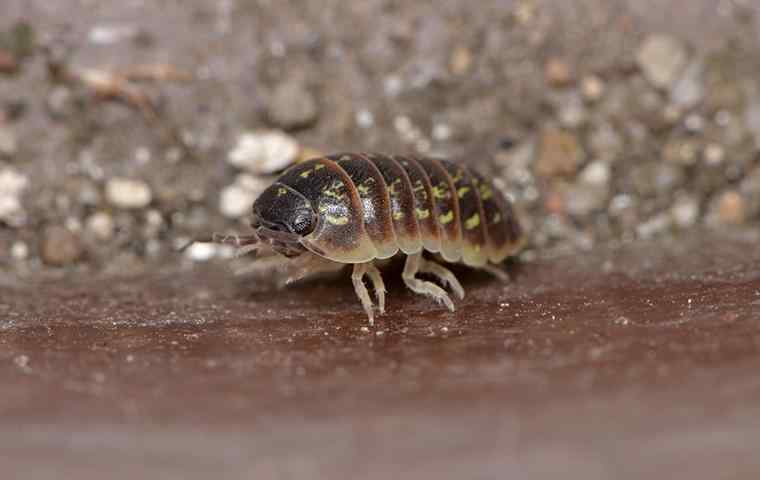 Occasional Invaders
 Odorous House Ants
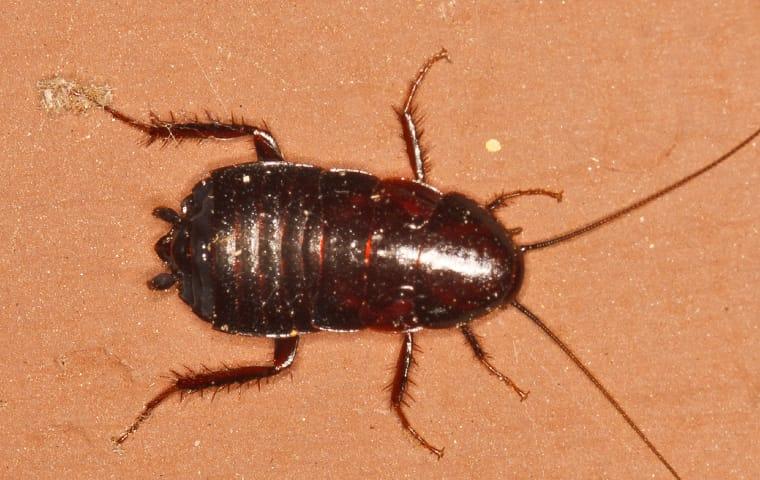 Oriental Cockroaches
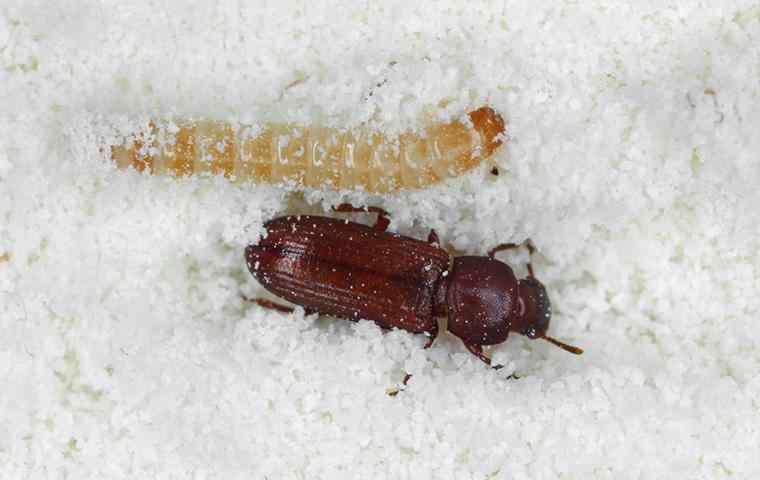 Pantry Pests
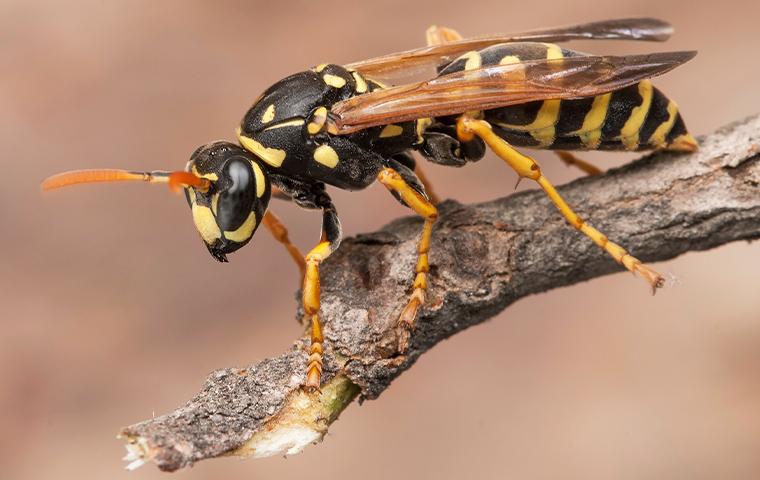 Paper Wasps
 Pharaoh Ants
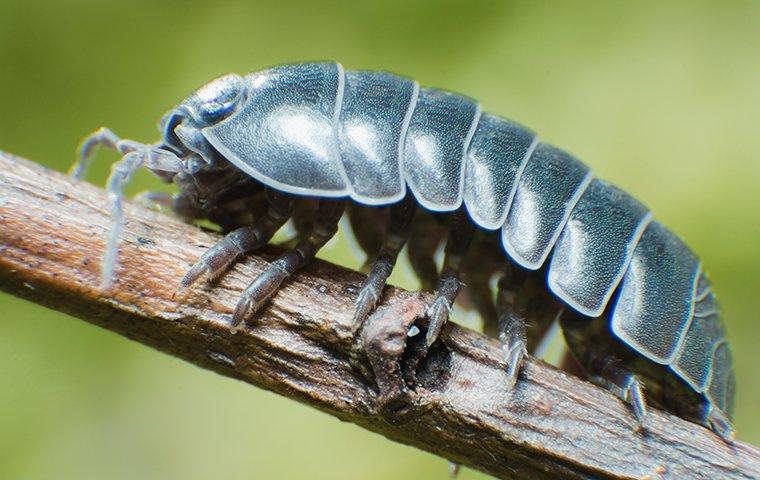 Pillbugs
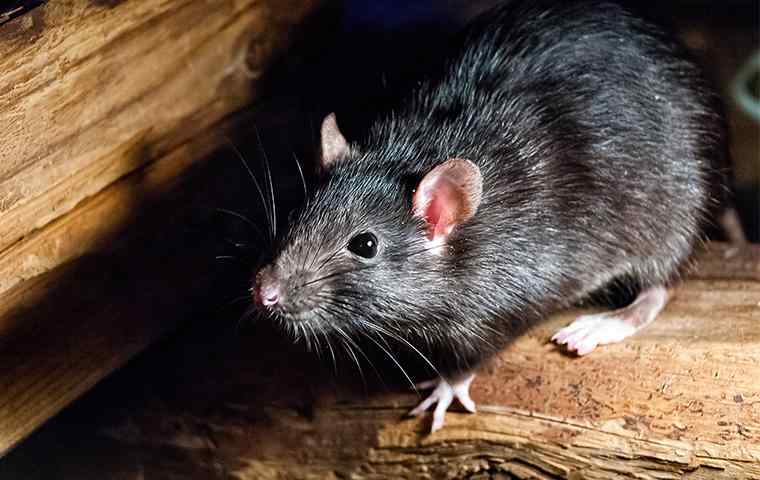 Roof Rats
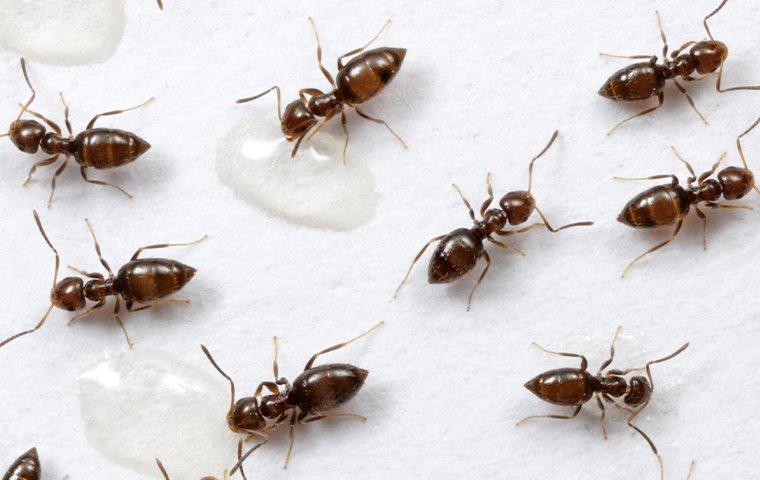 Rover Ants
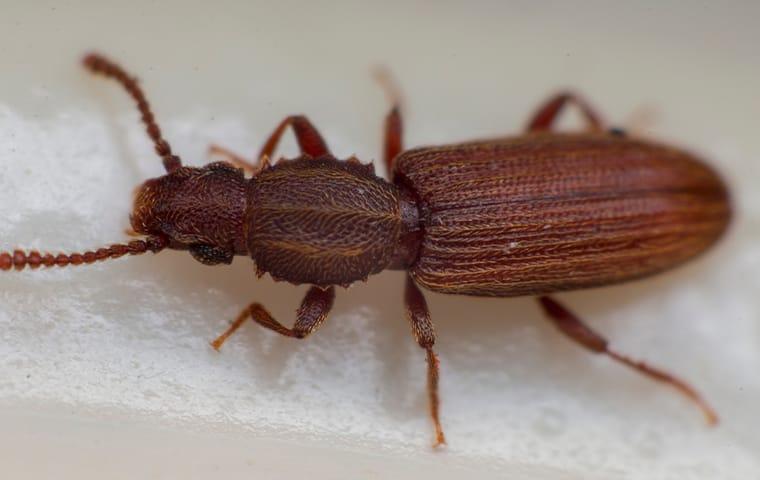 Sawtoothed Grain Beetles
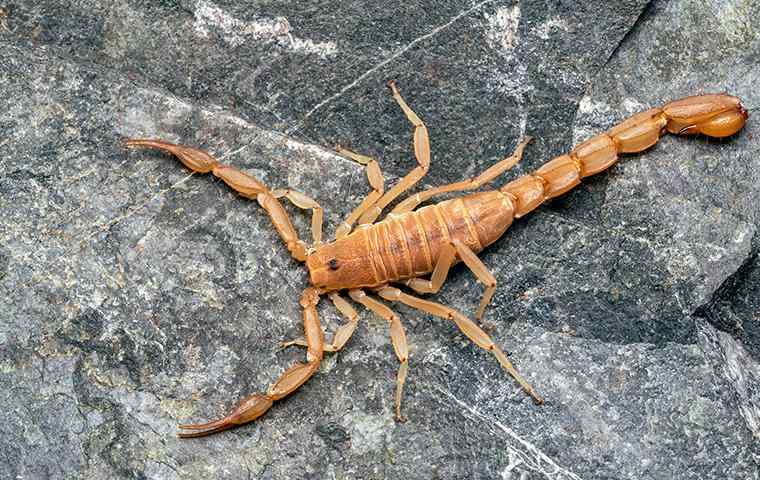 Scorpions
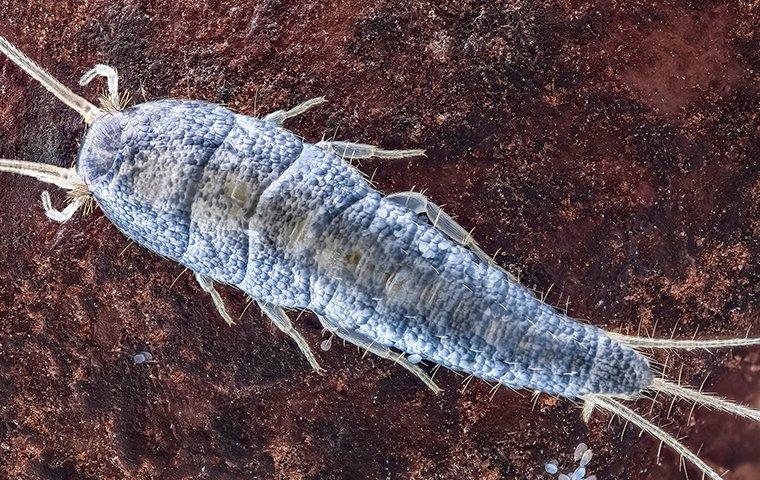 Silverfish
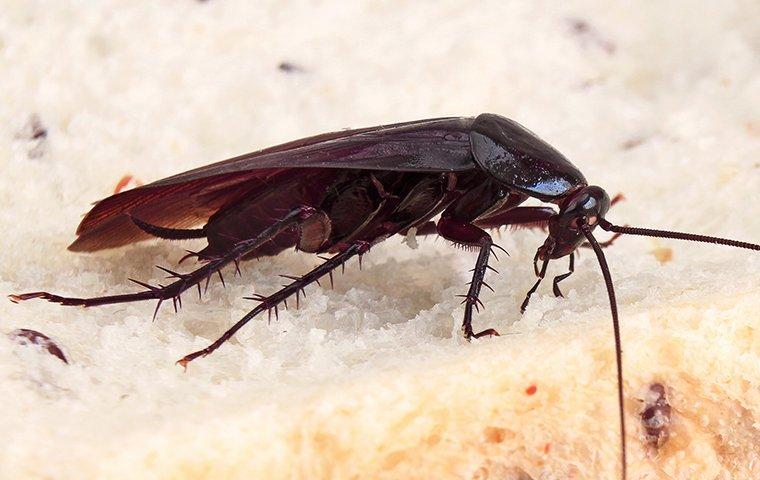 Smokey Brown Cockroaches
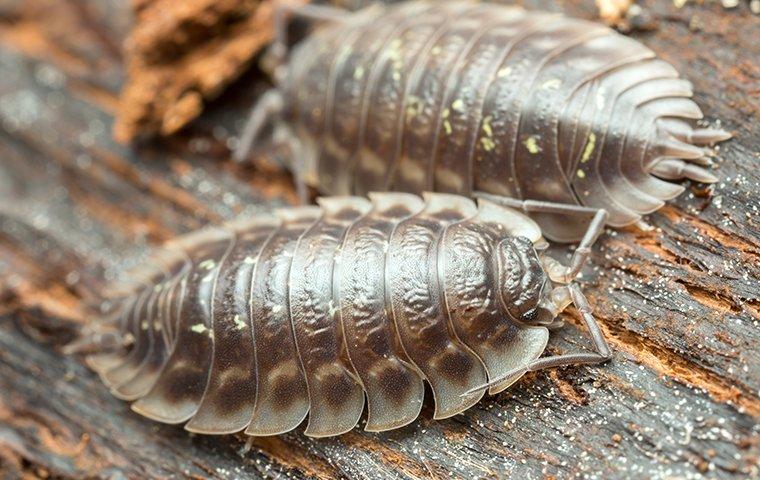 Sowbugs
 Spiders
 Springtails
 Stinging Insects
 Termites
 Ticks
Ticks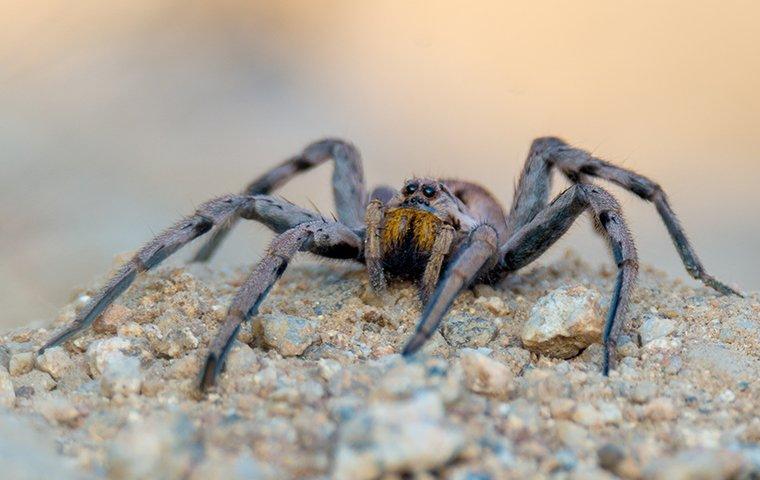 Wolf Spiders
 Yellow Jackets



.jpg.2609221536367.webp)