



If you have noticed ant trails weaving across your kitchen counter or discovered a mound along your foundation, you have encountered the impact of seasonal ant behavior in Dallas homes and businesses. Ant infestations in the Dallas area are never random; instead, ant activity reflects changes in temperature, rainfall, and humidity over the course of the year. By understanding what drives ants at different times, our team at All-Safe Pest & Termite helps property owners anticipate seasonal risks, identify early signs of issues, and keep ants under control before they become a lasting headache.
Why Does Seasonal Climate Matter for Ant Behavior in Dallas?
Shifts in Dallas weather—from humid, rainy springs to arid, sweltering summers and the occasional winter freeze—play a major role in when and how ant colonies become active. Each season brings new challenges for ants, as they adapt their foraging and nesting patterns for survival. In spring, warmer temperatures and increased rainfall spark colony growth, pushing worker ants to expand their search for food and water around your property. When summer arrives, the soil dries out and outdoor resources become scarce, so ants seek shelter and moisture indoors, leading to a spike in indoor sightings.
Ant behavior often aligns with humidity levels. Heavy rainfall floods nests, sending ant colonies above ground or toward homes as they look for drier surroundings. Conversely, during the dry heat of August or September, ants frequently infiltrate kitchens, bathrooms, or laundry rooms in search of water. This back-and-forth movement isn’t random; it demonstrates how closely linked climate is to the way ants respond to their environment and seek out new nesting locations or food sources.
Our local experience allows us to track these seasonal cycles and respond accordingly. At All-Safe Pest & Termite, we draw upon decades of observations to develop targeted ant control plans that take weather-based behavior into account, providing each client with the most effective, seasonally adaptive protection possible.
Which Ant Species Cause the Most Trouble in Dallas Homes and Businesses?
Dallas faces challenges from several specific ant species, each with its own life cycle and seasonal activity. Fire ants thrive across Texas, known for their aggressive colonies and painful stings. They remain a persistent threat through most of the year, with their populations peaking after periods of heavy rain. Argentine ants, which form massive interconnected colonies, frequently invade homes and businesses during droughts or after storms when outdoor food becomes scarce.
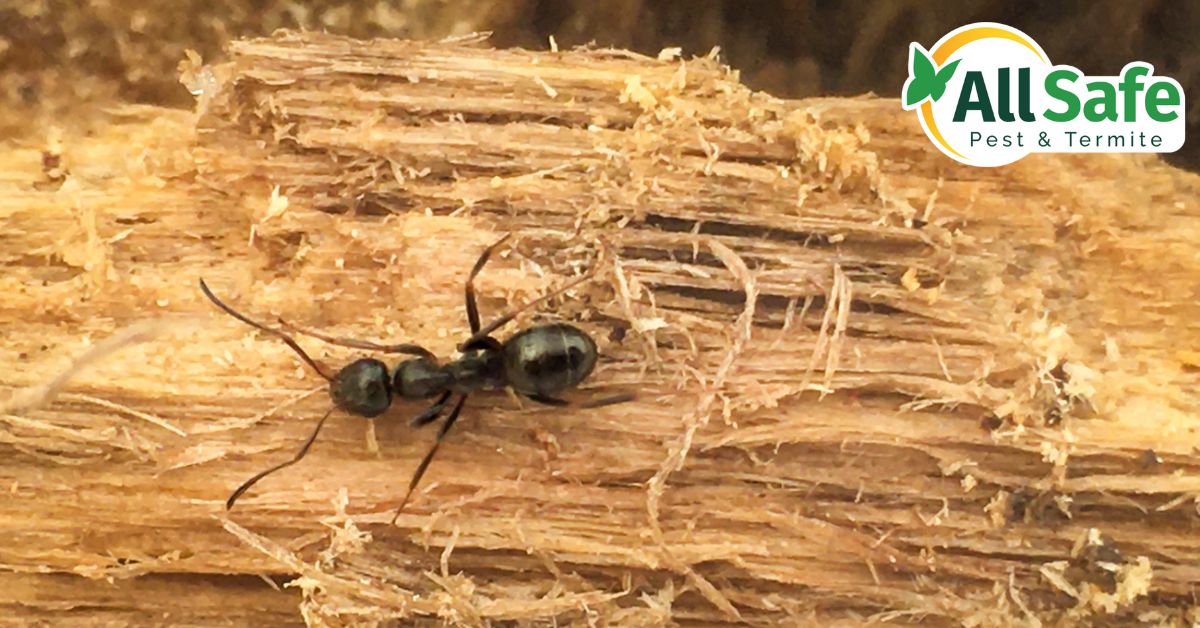
Odorous house ants are also common indoor pests, especially in the summer, drawn to sweets and moisture. When crushed, these ants release a distinctive musty odor. Carpenter ants, active mainly in spring and early summer, can chew through wood and insulation, making their nests inside structures and causing potential damage over time. Recognizing which species you are dealing with is critical for effective, focused treatments.
Throughout the year, activity shifts among species. Fire ants become most aggressive post-storm, odorous house ants surge indoors during summer, and carpenter ant infestations often peak in late spring. The seasoned technicians at All-Safe Pest & Termite identify which ants are active and design prevention strategies tailored to address the risks associated with each type for all seasons.
How Does Spring Weather Trigger Ant Nest Building and Foraging?
Spring in Dallas serves as the prime growing season for ant colonies. The combination of consistent rainfall and warming temperatures creates the perfect conditions for queens to lay eggs and for colonies to expand rapidly. As a result, you may suddenly notice new ant mounds across your yard, along your sidewalk, or—even more concerning—near your foundation or entryways.
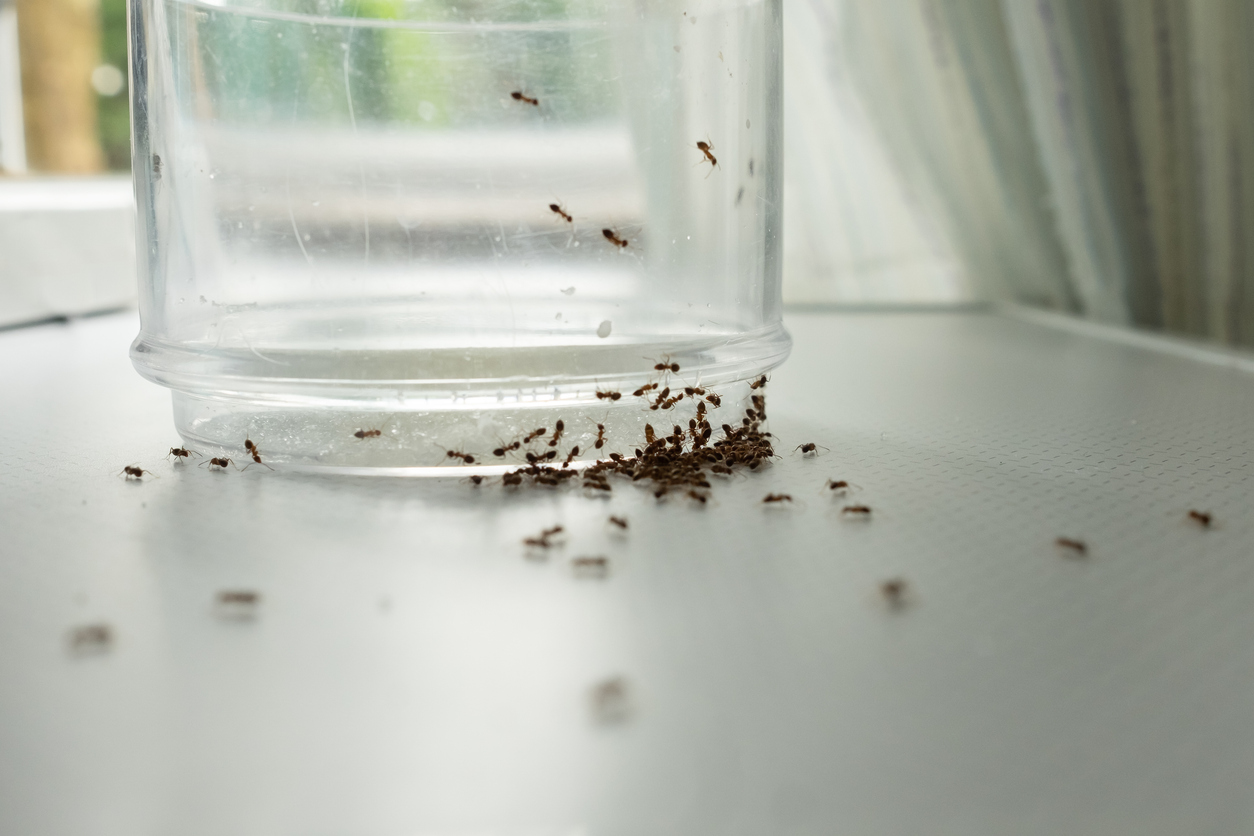
The increased availability of moisture and food in spring encourages ants to forage further, leading them straight to sources of sugar and protein inside homes. Simple actions—like leaving pet food out or failing to clean up crumbs—can attract ants quickly, as scouts lay down pheromone trails for the rest of the colony to follow. Many property owners experience their first noticeable infestations during this surge, indicating the need to be extra vigilant.
Spring is the optimal time to break the cycle of ant invasions before they gain momentum. We perform detailed inspections around vulnerable spots like baseboards, exterior doors, and utility lines. By removing food and water sources, sealing cracks, and applying preventive treatments, our team at All-Safe Pest & Termite helps stop seasonal infestations before they can escalate.
What Conditions Draw Ants Indoors During Dallas Summers?
Summertime in Dallas means hot, dry weather—conditions that force many local ant species to seek shelter and hydration within homes and commercial spaces. As soil moisture evaporates, ants push indoors, actively searching for sustenance. During these months, kitchens, bathrooms, and laundry rooms become high-risk zones as ants pursue water availability and any traces of food.
Ants also take advantage of leaks, sweaty pipes, and condensation around air conditioning units. Even modest sources of moisture—such as pet water bowls left out overnight or unsealed drinks—act as powerful magnets for ants. Once ants establish a reliable source within a building, they establish well-worn trails, sometimes moving colonies in to survive the harsh conditions outdoors.
Homeowners should address water problems swiftly. Fix leaky faucets and appliances, dry wet surfaces, and empty water bowls overnight. Seasonal inspections from the All-Safe Pest & Termite team identify moisture attractants and access points, allowing us to recommend targeted treatments and reinforce defensive barriers that keep your home secure through the hottest months.
Do Fall Months Decrease or Shift the Risk of Ant Infestations?
It’s easy to assume that the arrival of fall brings a break from ant activity, but the reality is more nuanced. In Dallas, many ant colonies shift their location and behavior as temperatures cool, often migrating deeper into structures or forming new nests in sheltered areas. During periods of heavy autumn rain or abrupt temperature changes, ants will continue to forage aggressively, sometimes pushing indoors to escape the cold or find stable food sources.
Fire ants in particular become more defensive as the season progresses, relocating their queen and critical tunnel systems deeper underground or occasionally toward buildings. Odorous house ants and Argentine ants become focused on staying warm and foraging for high-energy foods such as carbohydrates. Fall activity is less visible outdoors, but that often means ants are simply less detectable—not less active—inside walls or in crawlspaces.
To reduce risks, conduct regular monitoring and maintenance around your property. Look for dirt piles near entry points, tap on wood and check for hollowness, and inspect hidden or quiet areas. The professionals at All-Safe Pest & Termite use proactive identification and autumn-specific strategies to help prevent subtle fall invasions from turning into winter nesting.
How Do Ants Survive and Behave During Dallas Winters?
The cold spells in North Texas don’t mean ants disappear—they simply adapt. Many species go dormant underground, but a surprising number exploit the warmth found inside homes, especially in wall voids, attics, and near appliances. The insulation of a home, combined with available crumbs or leaks, creates an ideal microclimate for ants to wait out the winter months.
Because ants hide their activities during winter, most infestations go unnoticed until a sudden appearance of worker ants near heat sources, baseboards, or windows. If swarming or trails occur indoors in January or February, it likely signals a nest inside the structure rather than just temporary foragers. It’s crucial to detect these colonies early, as they can persist and grow without exposure to harsh outdoor conditions.
Prevent winter infestations by sealing baseboards and exterior entry points, keeping pantries tightly closed, and limiting indoor moisture. The trained technicians at All-Safe Pest & Termite conduct thorough inspections even in the off-season, uncovering hidden nests and crafting winter-safe treatment strategies to ensure protection year-round.
Which Signs Should Dallas Residents Watch For During Seasonal Ant Infestations?
Early detection of ant activity is key to stopping small problems before they grow. The most common warning sign is the presence of scout ants—single ants seen in areas like bathrooms, kitchens, or window sills. These scouts are the advance parties, laying marks for larger groups if they find food or water. Another clue is the sudden presence of dirt, sand, or sawdust near doorways and baseboards, which can indicate hidden nest entrances or carpenter ants tunneling inside wood structures.
You might also find wings scattered around your windows or countertops in spring and fall, which signals swarming or new queen activity. Outdoor signs include noticeable ant mounds that appear quickly or shift location after rain. These are not just cosmetic issues—they could signal nests expanding or ants planning to move inside as conditions outdoors change.
Routine checks and swift responses can prevent these early signs from developing into entrenched infestations. Our team at All-Safe Pest & Termite helps clients understand the significance of each indicator, providing tips on monitoring and when to seek professional assistance.
What DIY Prevention Steps Are Effective Year-Round for Ant Control?
An integrated ant prevention plan for Dallas homes and businesses begins with regular, seasonally appropriate maintenance. Start by trimming back any vegetation that touches your structure, such as tree branches and bushes, to cut off ant “bridges.” Remove organic debris and do not stack firewood against building exteriors. Keep outdoor garbage secure and away from entryways.
Indoors, keep food sealed in airtight containers and dispose of waste promptly. Fix plumbing leaks, clean up spills immediately, and wipe surfaces regularly to remove sugar or grease residues. Inspect and repair weatherstripping, caulk gaps in baseboards, and check that window screens are in good condition. Seasonal changes—like shifting foundations or storm damage—can create new entry points, so schedule checks after heavy weather events.
Key actions for homeowners include:
- Prune trees and shrubs away from structures throughout the year
- Store food and pet supplies properly to deny ants easy access
- Address water pooling or leaks as soon as they appear
- Seal cracks in exterior and foundation walls
- Clean under appliances and inside drawers regularly
Even the best DIY steps have their limitations if the colony is large or persistent. When ant populations adapt or return season after season, our team at All-Safe Pest & Termite is ready with tailored solutions designed for Dallas’ unique environment and the area’s most common species.
When Should Dallas Property Owners Turn to Professional Ant Control Services?
Not all ant problems respond to simple at-home solutions. If you notice recurring trails despite your prevention efforts, suspect there is a nest within your walls or under flooring, or see evidence of fire ants or significant wood damage, it’s time to consult a professional. Large or entrenched colonies can be difficult to access and control without specialized training and resources.
Professional services begin with in-depth inspections to identify the full extent of the problem. At All-Safe Pest & Termite, our process involves evaluating both the current ant activity and any hidden nests or entryways. We then create a custom treatment and prevention plan that tackles the root causes—often using baiting, barrier sprays, and longer-term monitoring solutions. Clients frequently opt for ongoing protection plans to address not only the current season but future cycles as Dallas weather changes.
Partnering with professionals means faster, safer solutions. Ant control experts like our team utilize environmentally friendly options and proven methods specific to your property and goals. With a focus on communication, follow-up, and results you can trust, All-Safe Pest & Termite supports Dallas property owners who need reliable protection throughout the year.
Are Eco-Friendly Ant Control Solutions Effective Versus Traditional Treatments?
Many Dallas residents want to manage ants while safeguarding their family and environment. Eco-friendly pest control focuses on prevention and strategic treatment rather than heavy chemical use. Low-toxicity products, baiting systems, and perimeter barriers deliver results by targeting ant colonies at their source and limiting exposure to people and pets. This approach is particularly suited to residential areas with children, pets, or sensitive landscaping.
Traditional chemical treatments can sometimes scatter or fragment colonies, making a future reinfestation more likely. Green solutions, such as properly placed gel baits and integrated pest management techniques, reduce these risks by impacting colony reproduction and movement patterns. Our All-Safe Pest & Termite team provides advice on which eco-safe options fit your property and coordinates year-round inspections and service when requested.
Well-designed, environmentally conscious treatment plans include regular check-ins, placement of targeted baits in high-traffic areas, and ongoing communication to keep you informed. As ant patterns shift with Dallas seasons, green approaches offer sustainable defense for both homes and businesses.
How Does All-Safe Pest & Termite Go Beyond Standard Pest Control for Seasonal Ant Problems?
Long-term ant control demands more than a standard service call. Our team at All-Safe Pest & Termite brings decades of experience, community involvement, and a commitment to creating lasting relationships with Dallas homeowners and property managers. We listen to your concerns and design solutions that reflect both your needs and the latest advances in ant prevention and removal.
Clients value our prompt, courteous service—same-day and next-day appointments are available for urgent concerns. Each proactive protection plan is built around seasonal risks, updated as new weather patterns or pest trends emerge. Recognition from trusted sources, including our Better Business Bureau A+ rating and community-based awards, affirms our ongoing reputation for reliability and quality.
From eco-friendly treatments to thorough inspections and transparent communication, All-Safe Pest & Termite stands by your side through every season. If you notice an uptick in ant activity or suspect a hidden infestation, call us at (972) 945-9226. Together, we will develop a prevention and removal plan focused on your peace of mind, safety, and continued comfort—no matter what the season brings to Dallas.

.2411250823417.jpg)