

As temperatures remain cool across Dallas, Fort Worth, and Houston, pests continue to search for warm places to spend the winter—and your walls might be their perfect hideout. Many homeowners don't realize that gaps as small as a dime can invite unwanted guests like rodents, spiders, and cockroaches to settle in for the cold months ahead. Understanding where these entry points exist is the first step toward keeping your home pest-free all winter long.
Don't wait for pests to make themselves at home this winter. Call (972) 945-9226 or fill out our online contact form today for a thorough inspection.
Why Pests Target Your Walls in Winter
When outdoor temperatures become uncomfortable, pests instinctively seek shelter in protected spaces. Your walls provide everything they need: insulation from the cold, protection from predators, and often access to food and water sources nearby.
Overwintering is the term used to describe how pests survive through winter by finding protected locations. Some pests, like certain spider species, enter a dormant state similar to hibernation. Others, such as mice and rats, remain active inside your walls throughout the season, breeding and causing damage.
The challenge for homeowners is that these entry points are often so small they go completely unnoticed during routine home maintenance. A mouse can squeeze through an opening the size of a pencil eraser, while insects need even less space to gain entry.
Gap #1: Foundation Cracks and Settling Points
Your home's foundation naturally develops small cracks over time as the structure settles and materials expand and contract with temperature changes. These cracks become highways for pests looking to escape the cold.
Foundation issues are particularly common in Texas homes due to the clay-rich soil that shifts with moisture changes. Even hairline cracks can widen enough to allow pests inside, especially around areas where the foundation meets the siding or brick.
What to look for:
- Visible cracks in concrete or brick foundation walls
- Gaps where foundation materials meet different siding types
- Areas where soil has pulled away from the foundation base
- Spaces around foundation vents or crawlspace openings
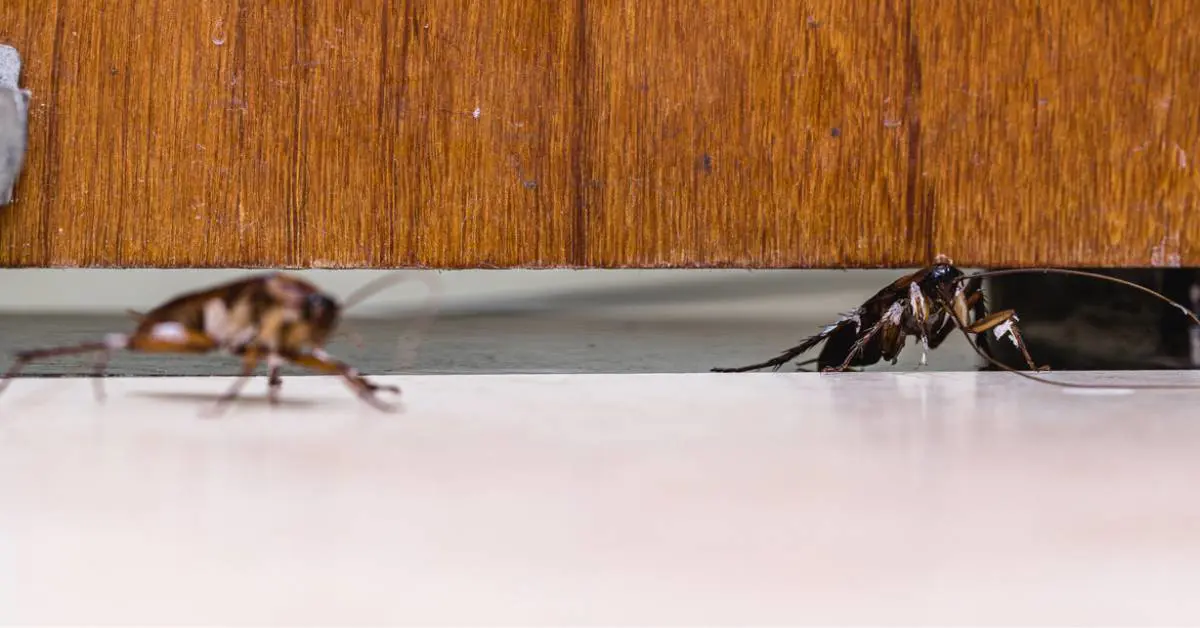
Inspect your foundation at least twice a year, paying special attention to corners and areas near plumbing penetrations. If you notice cockroaches emerging from foundation cracks, this indicates an established pathway that needs immediate attention.
Gap #2: Utility Line Entry Points
Every utility line entering your home creates a potential pest entry point. Gas lines, electrical conduits, cable TV wiring, and phone lines all require holes drilled through your exterior walls—and these openings are rarely sealed perfectly.
Over time, the sealant around these penetrations deteriorates due to sun exposure, temperature fluctuations, and general weathering. What starts as a properly sealed opening can develop gaps large enough for pests to exploit.
Check all utility entry points on your home's exterior. These are typically found near ground level for gas and electrical services, though cable and phone lines may enter at various heights. Look for crumbling or missing caulk, and note any gaps between the utility line and the wall material.
Gap #3: Window and Door Frame Separations
Windows and doors are installed with small gaps between the frame and the rough opening in your wall. These gaps are supposed to be filled with insulation and sealed, but the seals can fail over time.
Weather stripping on doors wears down with repeated use and exposure to the elements. Window frames can pull away from walls slightly as materials age and shift. These seemingly minor separations create perfect entry points for overwintering pests.
Common problem areas include:
- The bottom corners of window frames where water damage occurs first
- Door thresholds where the sweep has deteriorated
- Spaces between window frames and exterior brick or siding
- Gaps around decorative trim that has pulled away from the wall
Test your door seals by closing the door on a piece of paper. If you can pull it out easily, your weather stripping needs replacement. For windows, hold a lit incense stick near the frame on a windy day—if the smoke wavers, you have air gaps that pests can use too.
Gap #4: Roof and Soffit Intersections
The area where your roof meets your walls is particularly vulnerable to pest entry. Soffit and fascia boards can warp, rot, or pull away from the roofline, creating gaps that lead directly into your attic and wall cavities.
Roof-dwelling pests like spiders and wasps often discover these openings first, but rodents are equally capable of climbing to roof level and exploiting these gaps. Once inside your attic, pests have easy access to travel down through wall voids throughout your entire home.
Gable vents, ridge vents, and attic ventilation systems need proper screening to prevent pest entry. Check that all screens are intact and securely fastened. Look for gaps around chimney flashing, where different roofing materials meet, and at the corners where soffits transition to vertical walls.
Gap #5: Weep Holes and Drainage Gaps
Weep holes are intentional openings in brick veneer walls that allow moisture to escape and prevent water damage. These small rectangular gaps are necessary for your home's health, but they're also inviting entrances for pests seeking shelter.
Most homes with brick exteriors have weep holes positioned along the bottom course of bricks, typically every few feet. While these openings need to remain functional for drainage, they should be protected with specialized screens or covers that allow water out while keeping pests away.
Similarly, drainage gaps around sliding door tracks, window wells, and basement window frames can accumulate debris and provide hidden pathways for pests. These areas often go overlooked during home inspections because they're designed to be functional gaps rather than accidental openings.
How Small Gaps Lead to Big Problems
Once pests establish themselves inside your walls, the problems multiply quickly. Rodents gnaw on electrical wiring, creating fire hazards. Cockroaches spread bacteria and trigger allergies. Spiders leave webs and waste throughout your living spaces.
Many overwintering pests also reproduce during their time inside your walls. What starts as a few mice seeking warmth can become a significant infestation by spring. The longer pests remain undetected in wall voids, the more extensive the damage and the more difficult the removal process becomes.
Wall voids also provide pests with protected travel routes throughout your entire home. A rodent entering through a foundation crack can easily move from your basement to your attic without ever being seen, accessing food sources in your kitchen along the way.
Preventing Pest Entry This Winter
Regular home maintenance is your first line of defense against overwintering pests. Schedule seasonal inspections of your home's exterior, focusing on the five gap types outlined above. Address any openings you discover promptly, before pests have a chance to move in.
Use appropriate materials for sealing different types of gaps. Steel wool combined with caulk works well for rodent-prone areas because mice and rats cannot chew through it. Copper mesh is another option for larger openings. Standard caulk and weather stripping suffice for smaller gaps where only insects are a concern.
However, some situations require professional assessment. If you're already seeing signs of pest activity, if gaps exist in hard-to-reach areas, or if you're uncertain about the extent of your home's vulnerabilities, a comprehensive inspection can identify issues you might miss. Professional home pest control services can also treat existing infestations while helping you prevent future problems.
Stop Pests Before They Settle In
The small gaps around your Texas home might seem insignificant, but to a pest seeking winter shelter, they're an open invitation. Taking action now, before temperatures drop further, can prevent months of problems and protect your home from pest damage. All-Safe Pest & Termite understands the unique pest pressures facing homeowners throughout Dallas, Fort Worth, and Houston. Our team can identify vulnerable areas around your home and implement solutions that keep pests outside where they belong.
Contact us at (972) 945-9226 or through our online contact form to schedule your inspection and take control of your home's pest protection this winter.