


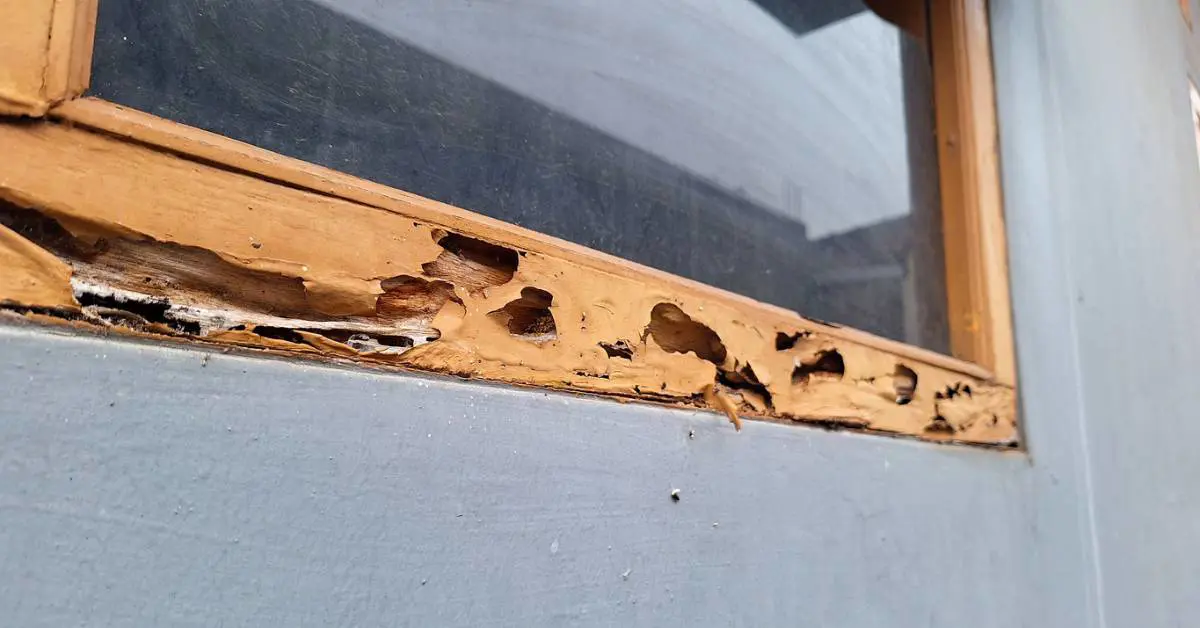
As we move into the warmer months, Texas homeowners face a threat that emerges predictably each year: termite swarms. These winged insects appear seemingly overnight, often catching property owners off guard just as spring begins to settle in. While spotting a swarm can be alarming, the real concern isn't the swarming termites themselves—it's what their presence reveals about potential colonies already established near or even inside your home.
Don't wait until you see the swarm. Contact All-Safe Pest & Termite today by calling (972) 945-9226 or filling out our online contact form to schedule a termite inspection and protect your biggest investment.
Why Early-Year Termite Swarms Happen in Texas
Termite swarms typically occur when weather conditions are just right—warm temperatures combined with moisture in the air. In Dallas, Fort Worth, and Houston, this often happens between February and May, though swarms can appear as early as late January during mild winters.
When you see winged termites (called alates or swarmers) flying around your property, they're actually leaving established colonies to start new ones. A single colony can produce thousands of these reproductive termites, and they're attracted to light sources, which is why you might notice them around windows, doors, or outdoor lighting.
Here's what makes this significant: for every swarm you see, there's a mature colony nearby that's been feeding on wood for years. Subterranean termites, the most common type in Texas, can cause substantial damage before homeowners even realize there's a problem.
Signs That Termites May Already Be Active
Before swarm season arrives, termites might already be working silently within your home's structure. Learning to recognize the warning signs can help you catch an infestation early.
Look for mud tubes along your foundation, in crawl spaces, or on basement walls. These pencil-width tunnels are highways that subterranean termites build to travel between soil and food sources while staying protected from air and light. You might also notice wood that sounds hollow when tapped, or small piles of what looks like sawdust near wooden structures—though with termites, this is actually frass, or termite droppings.
Warped doors or windows that suddenly stick can indicate moisture damage or termite activity affecting the wood. Paint that appears bubbled or uneven might also signal termites or moisture beneath the surface.
Your Early-Year Termite Prevention Checklist
Taking action before swarm season hits can make a significant difference in protecting your home. Here's a practical checklist to help you reduce the risk of termite activity around your property.
Eliminate Moisture Problems
Termites need moisture to survive, and addressing water issues around your home removes one of their essential resources.
Key moisture control steps:
- Fix leaky faucets, pipes, and AC units immediately
- Ensure gutters and downspouts direct water at least 3-4 feet away from your foundation
- Improve ventilation in crawl spaces and attics
- Grade soil away from your foundation to prevent water pooling
- Repair any roof leaks or damaged shingles
After addressing these moisture sources, monitor these areas regularly. Even small leaks can create the damp conditions termites find attractive.
Remove Wood-to-Soil Contact
Direct contact between wood and soil creates an easy access point for subterranean termites to enter your home.
Walk around your property and check for wooden siding, deck posts, porch steps, or fence panels that touch the ground. Ideally, there should be at least 6 inches of clearance between soil and any wood components of your home. If you find contact points, consider installing concrete or metal supports to create separation.
Don't forget about less obvious wood sources like tree stumps, firewood piles, or lumber scraps stored in your yard. These should be removed or relocated away from your home's foundation.
Inspect and Seal Entry Points
Even tiny cracks in your foundation can serve as entry points for termites. Here are areas to inspect and seal:
- Foundation cracks larger than 1/16 inch
- Gaps around utility lines, pipes, and wires entering your home
- Cracks in brick mortar or siding
- Gaps around windows and door frames
- Expansion joints in concrete slabs
Use appropriate sealants for each area—silicone-based caulk works well for small gaps, while larger foundation cracks may need hydraulic cement or professional repair. This not only helps with termite prevention but also improves your home's energy efficiency.
Maintain Your Landscaping
The way you arrange plants and materials near your home can either attract termites or discourage them.
Keep mulch layers no deeper than 2-3 inches and maintain a gap of at least 12-18 inches between mulch and your home's foundation. While mulch helps plants retain moisture, it also creates ideal conditions for termites when piled too high or placed too close to structures.
Trim shrubs and tree branches away from your home's exterior. Overhanging branches can create moisture problems when they prevent sunlight from drying your siding, and they can also serve as bridges for termites to reach your home.
Consider using alternatives to wood mulch near your foundation, such as rubber mulch, gravel, or stone. These materials don't provide food for termites and can still create attractive landscaping.
Schedule Professional Inspections
While DIY prevention steps are valuable, professional inspectors have the training and tools to spot evidence that untrained eyes might miss.
An inspection typically involves checking your home's interior and exterior, including crawl spaces, basements, and attics. Professionals know where termites are most likely to enter and can identify early warning signs of activity. They can also assess whether existing termite control measures are still effective or need updating.
Annual inspections are recommended for most Texas homes, though properties with previous termite activity or high-risk conditions may benefit from more frequent check-ups.
What Happens If You Spot a Swarm
If you see winged termites emerging from your walls, foundation, or anywhere on your property, don't panic—but do take it seriously. Swarmers themselves don't cause damage; they're simply looking for a place to establish a new colony. However, their presence indicates that a mature colony is nearby.
Avoid using store-bought spray pesticides on swarmers. These products only kill the visible insects without addressing the colony, potentially driving termites deeper into your structure and making professional treatment more difficult.
Instead, try to capture a few specimens in a jar or take clear photos. This helps pest control professionals identify the exact species and determine the best treatment approach. Then, contact a professional for a thorough inspection as soon as possible.
Understanding Termite Treatment Options
If an inspection reveals termite activity, several treatment methods may be recommended depending on the extent of the infestation and your home's specific situation.
Liquid termiticides create a protective barrier in the soil around your foundation, preventing termites from crossing it. Termite baits use strategically placed stations that worker termites carry back to the colony, gradually eliminating the entire population. Some situations may benefit from combining both approaches for comprehensive protection.
Modern treatments have become more targeted and less invasive than older methods, and many options available today are designed to have minimal impact on your daily life. A qualified professional can explain which approach makes the most sense for your property and budget, considering factors like home construction, soil conditions, and the severity of any current activity.
Protecting Your Home Year-Round
Prevention doesn't stop after swarm season ends. Regular home pest control maintenance throughout the year helps identify potential issues before they become serious problems.
Keep maintaining the prevention steps on your checklist even during summer and fall when swarms aren't visible. Continue monitoring moisture levels, checking for new cracks or gaps, and keeping wood materials away from soil contact. Many homeowners find it helpful to do a quarterly walk-around inspection, checking all the vulnerable areas on their property.
Document your prevention efforts with photos and notes about repairs or changes you've made. This creates a record that can be valuable if you ever need to file an insurance claim or if you decide to sell your home.
Get Expert Termite Protection in Dallas, Fort Worth, and Houston
Your home represents years of hard work and memories, and protecting it from termites requires both vigilance and professional expertise. By following this prevention checklist and staying alert for warning signs, you're taking important steps to safeguard your property. However, nothing replaces the trained eye of an experienced inspector who knows exactly where Texas termites are likely to strike.
Ready to make sure your home is prepared for termite swarm season? All-Safe Pest & Termite provides thorough inspections and customized treatment plans designed for Texas properties.
Call us today at (972) 945-9226 or complete our online contact form to schedule your inspection.