


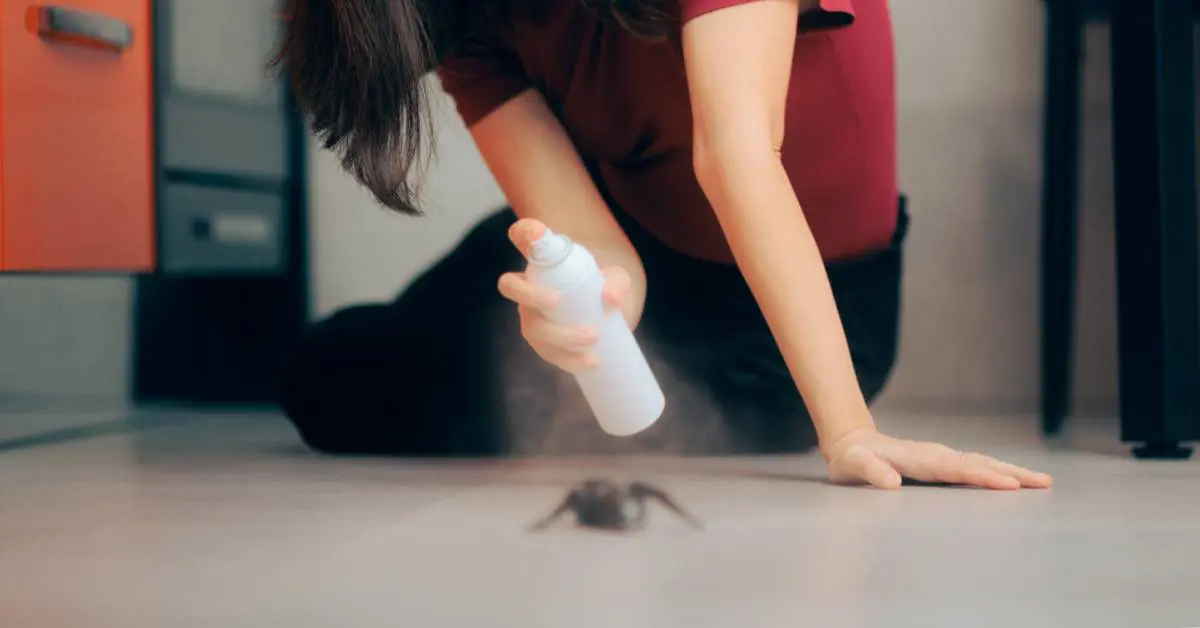
When temperatures drop in Dallas, Fort Worth, and Houston, cockroaches don't simply disappear—they move indoors and make themselves at home in the warmest, most food-rich area of your house: the kitchen. Winter months bring these unwelcome guests closer to your family's cooking and dining spaces, searching for warmth, water, and food. Understanding where cockroaches hide during cold weather helps you take control of your home and protect your family's health.
Don't let cockroaches take over your kitchen this winter. Contact All-Safe Pest & Termite through our online contact form or call (972) 945-9226 today for a thorough inspection and effective treatment plan.
Why Cockroaches Invade Kitchens During Winter
Cockroaches are cold-blooded creatures, meaning they can't regulate their own body temperature. When outdoor temperatures fall, they actively seek warm environments to survive. Your kitchen offers everything they need: consistent warmth from appliances, easy access to water from pipes and faucets, and abundant food sources from cooking activities and storage areas.
Texas winters may be milder than northern states, but temperatures still drop enough to drive cockroaches indoors. Once inside, they multiply quickly—a single female German cockroach can produce up to 400 offspring in her lifetime. That's why finding and eliminating their hiding spots before populations explode is so important for maintaining a clean, healthy home.
Common Cockroach Hiding Spots Behind Appliances
The spaces behind and beneath your kitchen appliances create perfect cockroach sanctuaries. These areas stay warm from appliance heat, remain dark and undisturbed, and often collect food crumbs and grease that fall during cooking. Check these appliance areas carefully:
- Behind the refrigerator: The motor generates warmth, and condensation from cooling coils provides moisture. Crumbs and spills that roll underneath offer food sources.
- Under the stove and oven: Heat, grease buildup, and dropped food particles make this a prime location. Pay special attention to the drawer beneath your oven.
- Beneath the dishwasher: Warmth, moisture, and food residue create ideal conditions. Check the kickplate area at the bottom.
- Around the microwave: If mounted above the stove, heat rises to this area. Countertop microwaves create warm spots underneath and behind them.
Pull appliances away from walls when possible to inspect these hidden zones. Look for small brown specks (cockroach droppings), shed skins, or egg cases that look like small brown capsules. Clean thoroughly with hot, soapy water, then seal any gaps or cracks with caulk to block access.
Inside Cabinets and Pantry Storage Areas
Kitchen cabinets and pantries provide darkness, shelter, and direct access to food—everything cockroaches need to thrive. They particularly favor areas where food packaging has small tears or isn't properly sealed. Inspect these cabinet and pantry zones:
- Under the sink: Plumbing pipes provide water access, and this dark, humid space rarely gets disturbed. Leaky pipes make it even more attractive.
- Corner cabinet areas: The backs of corner cabinets are difficult to reach and often go unchecked for months, creating undisturbed hiding spots.
- Behind stored items: Cockroaches hide behind stacks of pots, pans, small appliances, or pantry items you rarely use.
- Inside cardboard boxes: Cockroaches eat cardboard and use corrugated layers for shelter. They may arrive in your home inside grocery bags or delivery boxes.
Remove everything from cabinets and inspect thoroughly. Transfer dry goods from cardboard boxes or paper bags into airtight plastic or glass containers. Wipe down all surfaces with a cleaning solution, paying attention to corners and edges where droppings accumulate. Consider using shelf liners that you can easily remove and clean regularly.
Around Plumbing and Moisture Sources
Water is essential for cockroach survival—they can live for weeks without food but only days without water. Any moisture source in your kitchen attracts them, especially during winter when they're already seeking shelter indoors. Target these moisture-prone areas:
- Under-sink plumbing connections: Check where pipes enter through walls or floors for gaps that allow entry. Look for condensation or minor leaks.
- Around the garbage disposal: The area beneath your sink where the disposal connects often has small gaps and stays damp.
- Behind the faucet: Where the faucet base meets the countertop or sink, small gaps and moisture accumulation occur.
- Near the water line to the refrigerator: Ice makers and water dispensers require supply lines that can develop condensation or small leaks.
Fix any leaky pipes or faucets immediately. Dry under-sink areas completely after cleaning or spills. Seal gaps around pipe penetrations with expanding foam or caulk. Run your exhaust fan while cooking to reduce humidity that condenses on surfaces overnight.
Cracks, Crevices, and Structural Gaps
Cockroaches have flat bodies that allow them to squeeze into incredibly tight spaces—some species can fit through gaps as small as 1/16 of an inch. Your kitchen has numerous structural cracks and crevices that provide hiding spots and travel routes. Examine these structural areas:
- Where walls meet the floor: Baseboards often have small gaps, especially in older homes or where flooring has settled.
- Around door frames and window sills: Weatherstripping deteriorates over time, creating entry points and hiding spaces.
- Where countertops meet walls: The seam between your backsplash and countertop may have gaps from settling or caulk that has dried and cracked.
- Inside drawer tracks and slides: The spaces inside cabinets where drawers slide provide dark, protected areas.
- Around electrical outlets and switch plates: Openings around junction boxes lead directly into wall voids.
Walk through your kitchen with a flashlight and inspect carefully. Use a caulking gun with kitchen-grade silicone caulk to seal visible cracks and gaps. Replace worn weatherstripping around doors and windows. For larger gaps, use steel wool pushed into the opening before caulking—cockroaches can't chew through it.
Small Electronics and Appliances
Smaller kitchen electronics generate warmth and have internal spaces where cockroaches hide. These items often get overlooked during cleaning, allowing infestations to persist even after you've treated other areas. Check these electronic items:
- Toasters and toaster ovens (crumbs inside provide food)
- Coffee makers (warmth and moisture attract cockroaches)
- Blenders and food processors (bases have motors that generate heat)
- Digital clocks and timers (battery compartments offer shelter)
Unplug small appliances and inspect them outdoors or over a trash bag. Shake them gently and look for cockroach droppings or shed skins. Clean thoroughly according to manufacturer instructions. Store infrequently used appliances in sealed plastic bags or containers. Consider whether you actually need every appliance on your counters—reducing clutter eliminates hiding spots.
Creating a Comprehensive Prevention Plan
Finding hiding spots is only the first step. Keeping cockroaches out of your kitchen requires ongoing attention to cleanliness, food storage, and home maintenance. Implement these prevention strategies:
- Clean daily: Wipe down counters, sweep floors, and wash dishes before bed. Cockroaches are most active at night when you're asleep.
- Store food properly: Keep all food in sealed containers, including pet food. Don't leave fruit on counters overnight.
- Take out trash regularly: Use trash cans with tight-fitting lids and empty them daily. Clean the can itself weekly.
- Reduce moisture: Fix leaks promptly, wipe up spills immediately, and don't let water stand in sinks overnight.
- Declutter: Remove unnecessary items from counters and cabinets to reduce hiding spots and make cleaning easier.
Remember that cockroaches leave chemical trails that guide other cockroaches to food, water, and shelter. Even after you've eliminated visible roaches, these trails remain active. That's why professional cockroach control often provides more thorough and lasting results than DIY methods alone.
Understanding the Health Risks
Beyond the unpleasant sight of cockroaches scurrying across your kitchen, these pests pose real health concerns for your family. Cockroaches carry bacteria on their bodies and legs, contaminating food preparation surfaces and stored food items. They spread pathogens that cause food poisoning, diarrhea, and other illnesses.
Cockroach droppings, shed skins, and body parts become airborne and trigger allergies and asthma, especially in children. The American College of Allergy, Asthma, and Immunology identifies cockroach allergens as a major cause of year-round allergies and asthma attacks. In homes with heavy infestations, these allergens accumulate in dust and circulate through heating systems during winter months when homes are sealed against cold weather.
Taking action to eliminate cockroach hiding spots protects more than just your food—it safeguards your family's respiratory health and reduces disease transmission risks.
When to Call for Professional Help
Some cockroach situations require more than DIY cleaning and sealing. If you see cockroaches during daytime hours, this often indicates a large population—cockroaches are nocturnal, and daytime sightings suggest overcrowding in hiding spots. If you continue finding cockroaches after thorough cleaning and sealing efforts, established populations may be reproducing in wall voids or other areas you can't easily access.
Professional home pest control services have tools and products not available to consumers. Pest control technicians know cockroach behavior patterns, can identify specific species, and understand which treatments work most effectively for each type. They can also identify entry points and conducive conditions you might miss.
German cockroaches, the most common indoor species in Texas, are particularly resistant to many over-the-counter products. American cockroaches, which are larger and often enter through plumbing, require different treatment approaches. Professional identification ensures proper treatment methods.
Take Action Against Winter Kitchen Invaders
Winter cockroach problems in your Dallas, Fort Worth, or Houston kitchen don't improve on their own—populations grow rapidly in the warm, food-rich environment. By systematically checking the hiding spots outlined above and maintaining consistent prevention habits, you can reduce cockroach activity and protect your home. However, established infestations often need professional intervention to fully eliminate the problem and prevent future generations.
Don't wait until you have a major infestation. Contact All-Safe Pest & Termite through our online contact form or call (972) 945-9226 to schedule an inspection and discuss treatment options tailored to your specific situation.