

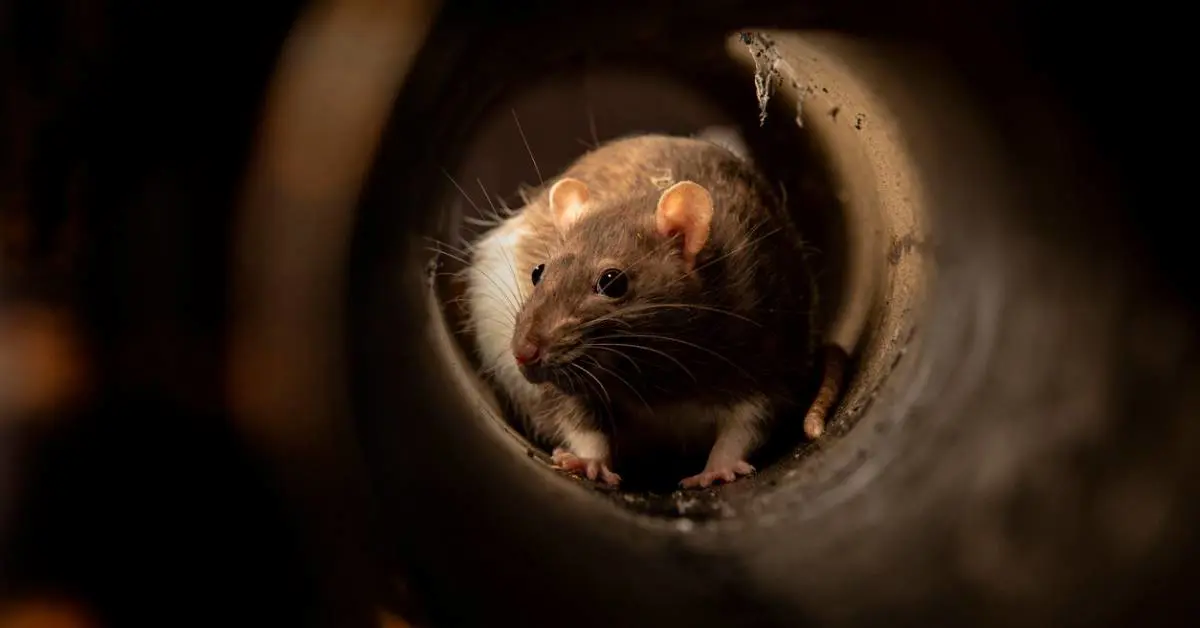
When mice or rats move into your home, they bring more than just scratching sounds in the walls. These unwelcome guests can seriously compromise your indoor air quality and damage the insulation that keeps your home comfortable. Understanding how rodents contaminate these critical systems is the first step toward protecting your family's health and your property investment.
Don't wait for rodent problems to worsen. Contact All-Safe Pest & Termite today by calling (972) 945-9226 or filling out our online contact form to schedule an inspection.
The Hidden Dangers of Rodent Infestations
Most homeowners notice the obvious signs of rodent activity—droppings, gnaw marks, or nighttime noises. However, the most serious threats often remain invisible. Mice and rats contaminate your living environment in ways that extend far beyond surface-level damage. These pests create health hazards through their urine, droppings, shed fur, and the pathogens they carry into your home. When rodents nest in your attic or wall voids, they turn your insulation into a contaminated breeding ground that continuously affects the air you breathe.
How Rodents Damage and Contaminate Insulation
Rodents view your home's insulation as ideal nesting material. They burrow through fiberglass, cellulose, and foam insulation to create tunnels and nesting areas. This behavior compresses the insulation, reducing its ability to regulate temperature effectively. Beyond the structural damage, rodents leave behind urine and droppings throughout the insulation. Unlike a single mess on your kitchen floor, contamination in insulation is ongoing and difficult to clean. The warm, enclosed spaces where insulation exists become perfect environments for bacteria and mold to thrive.
What Happens to Contaminated Insulation
Once rodents infest your insulation, the material becomes saturated with waste products over time. Urine soaks into the fibers and creates persistent odors that permeate your living spaces. The ammonia in rodent urine is particularly pungent and can irritate respiratory systems. Droppings crumble into fine particles that mix with the insulation material. When your HVAC system operates, air movement can disturb these contaminated areas, sending particles throughout your ductwork and into the rooms where your family spends time.
The Impact on Your Home's Air Quality
Your home's air quality depends on clean, uncontaminated materials and proper ventilation. When rodents infest your attic or walls, they introduce several airborne threats. The dried urine and fecal matter break down into microscopic particles that become airborne. These particles can trigger allergies, asthma attacks, and other respiratory issues in sensitive individuals. Young children, elderly family members, and anyone with existing respiratory conditions face the greatest risk from contaminated indoor air.
Disease Risks from Airborne Rodent Contaminants
Rodents carry various diseases that can spread through the air in your home. Hantavirus is one of the most serious concerns, transmitted when people breathe in air contaminated with rodent urine or droppings. While rare, this virus can cause severe respiratory illness. More commonly, rodent contamination spreads allergens that cause chronic sneezing, coughing, and breathing difficulties. Bacteria from rodent waste can also become airborne, creating additional health concerns for your household.
Signs Your Insulation May Be Contaminated
Detecting insulation contamination early can help you address the problem before it worsens. Here are key indicators that rodents have compromised your insulation:
- Persistent musty or ammonia-like odors that seem to come from your walls, ceiling, or HVAC vents
- Visible droppings or urine stains in your attic, crawl spaces, or around insulation access points
- Compressed or disturbed insulation with visible tunnels, nests, or shredded material
- Increased allergy symptoms or respiratory issues that worsen when your heating or cooling system runs
- Higher energy bills due to insulation that no longer provides adequate thermal protection
If you notice any of these warning signs, it's time to investigate further. Ignoring contaminated insulation allows the problem to spread and intensify over time.
Why Professional Rodent Control Matters
Addressing rodent contamination requires more than setting a few traps. Effective rodent control involves identifying entry points, eliminating the existing population, and preventing future infestations. Professionals can assess the extent of contamination and recommend whether insulation replacement is necessary. They also understand the specific challenges Texas homeowners face, from roof rats in Dallas and Fort Worth to Norway rats common in Houston's urban areas. Without proper intervention, rodent populations grow quickly, and contamination spreads throughout your home.
Steps to Protect Your Home
Taking action against rodent infestations protects both your property and your family's health. Start by sealing potential entry points around your home's exterior. Rodents can squeeze through openings as small as a quarter inch, so inspect your foundation, roofline, and utility penetrations carefully. Keep your attic and crawl spaces dry, as moisture attracts rodents and accelerates contamination. Store food in sealed containers and maintain clean living spaces to reduce attractants.
If you suspect rodent activity, schedule a professional inspection promptly. Early detection often means the difference between a minor cleanup and major insulation replacement. Professional pest control services can implement comprehensive solutions that address current infestations and establish long-term prevention strategies. These services often include monitoring systems that alert you to new rodent activity before contamination becomes severe.
When to Consider Insulation Replacement
Heavily contaminated insulation often needs complete replacement to restore your home's air quality. If rodents have nested extensively in your attic or walls, cleaning alone won't eliminate all the contaminants. Replacement becomes necessary when insulation shows widespread urine saturation, significant structural damage, or persistent odor after rodent removal. Fresh insulation not only improves air quality but also restores your home's energy efficiency. Many homeowners notice immediate improvements in both comfort and utility costs after addressing contaminated insulation.
The Connection to Whole-Home Pest Protection
Rodent infestations rarely occur in isolation. Comprehensive home pest control addresses multiple pest threats that can affect your indoor environment. Insects, wildlife, and rodents often exploit the same vulnerabilities in your home's exterior. A thorough pest protection plan identifies these weak points and creates barriers that keep various pests out. This integrated approach offers better long-term results than targeting individual pest problems as they arise.
Protect Your Dallas, Fort Worth, or Houston Home Today
Your home should be a safe, healthy environment for your family. Rodent contamination threatens that safety by compromising your air quality and damaging vital insulation systems. Taking swift action protects your health, preserves your property value, and restores peace of mind. Whether you've noticed signs of rodent activity or want to prevent future problems, professional assistance makes all the difference.
Contact All-Safe Pest & Termite today at (972) 945-9226 or through our online contact form to schedule a comprehensive inspection and protect your home from rodent contamination.